



What's Happening?
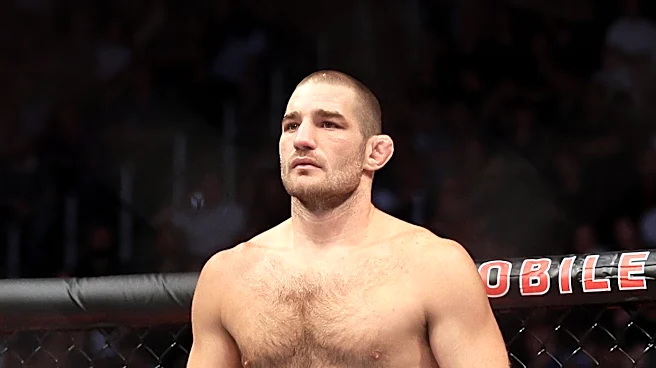
Sean Strickland, a prominent figure, has publicly questioned whether the reported wounding of Tim Kennedy in Congo should alter public perception of Kennedy's military record. Strickland's remarks, made on October 30, 2026, via social media, specifically
asked military personnel if Kennedy's recent combat experience in Congo makes his past misrepresentations about his service more forgivable. This query follows an earlier report from Reuters on October 9, 2026, detailing an ambush on September 17 in South Kivu, Democratic Republic of Congo, where Kennedy, associated with the security company Vectus Global, was reportedly shot three times in the leg. The Reuters report indicated that Kennedy was receiving treatment at Walter Reed National Military Medical Center. Kennedy himself had previously issued a written statement on July 9, 2025, acknowledging and apologizing for implying he had received the Bronze Star with Valor, a distinction he never earned. Strickland's posts also included hypothetical internal monologues for Kennedy, speculating on his thoughts regarding his current situation and past actions.
Why It's Important?
This event highlights the ongoing scrutiny of public figures' military records and the impact of combat experiences on personal and public reputations. For the U.S. military community, Strickland's question directly addresses the ethical considerations surrounding military honors and the integrity of service claims. Kennedy's prior apology for misrepresenting his achievements underscores the importance of accuracy in military narratives, especially for those who gain public platforms. The incident in Congo, involving a U.S. citizen associated with a security company, also touches upon the broader implications of private military contractors operating in conflict zones and the risks involved. The public discourse initiated by Strickland could influence how military veterans and the public perceive accountability and redemption in the context of military service and public life, potentially shaping future discussions on veteran affairs and the responsibilities of public figures.
What's Next?
The immediate focus will likely remain on Tim Kennedy's recovery and any official statements from him or his representatives regarding the incident in Congo. Given the public nature of Sean Strickland's comments, there may be further reactions from military veterans, public figures, or the general public, potentially leading to a broader discussion on military ethics and accountability. The involvement of Vectus Global, a security company, in the Congo incident could also draw attention to the operations of private military contractors and their oversight. While Kennedy has previously pledged to rebuild trust through accountability, his actions and statements following this incident will be crucial in determining the long-term impact on his reputation and the public's perception of his commitment to transparency.
Beyond the Headlines
This situation delves into the complex interplay between public image, military service, and personal integrity. The ethical dimension of misrepresenting military honors, even if unintentional, carries significant weight within the veteran community, where such distinctions are deeply respected. Strickland's questioning of whether a combat injury can 'balance' or 'forgive' past misrepresentations touches on a profound moral dilemma: can new acts of bravery or sacrifice absolve previous falsehoods? This incident also subtly highlights the challenges faced by veterans transitioning into public life, where their past service is often scrutinized. The broader cultural implication is how society evaluates and holds public figures accountable for their narratives, especially when those narratives involve sensitive areas like military service and combat experience.