
What's Happening?
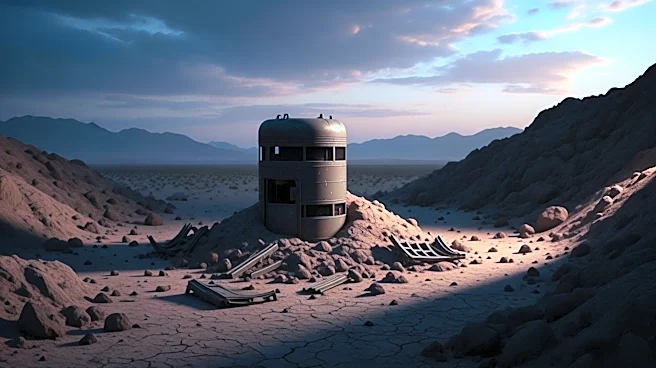
Iran is reportedly using a temporary cease-fire to excavate its missile bases that were buried by US and Israeli airstrikes. Satellite images have shown trucks and heavy machinery at the sites near Khomeyn
and Tabriz, which were previously targeted. The efforts appear focused on clearing debris from the entrances of these bases, potentially to make them operational again. This development comes amid ongoing attempts to bring the US and Iran back to the negotiating table after recent talks failed. The Pentagon and White House have confirmed that US and Israeli forces struck 13,000 targets in Iran, including over 450 ballistic missile storage facilities, during the five-week conflict.
Why It's Important?
The excavation of missile bases by Iran during a cease-fire highlights the ongoing tensions and the potential for renewed conflict in the Middle East. The ability of Iran to restore its missile capabilities poses a continued threat to regional stability, particularly to Israel and US interests. The situation underscores the challenges in achieving a lasting peace agreement and the complexities of disarmament in the region. The actions taken by Iran could influence future diplomatic negotiations and impact the strategic calculations of both the US and its allies.
What's Next?
As mediators work to resume talks between the US and Iran, the focus will likely be on addressing Iran's missile capabilities and ensuring compliance with any future agreements. The international community will be watching closely to see if Iran's actions during the cease-fire affect the willingness of the US and its allies to engage in further negotiations. The potential for renewed hostilities remains if diplomatic efforts fail to yield a sustainable resolution.