








What's Happening?
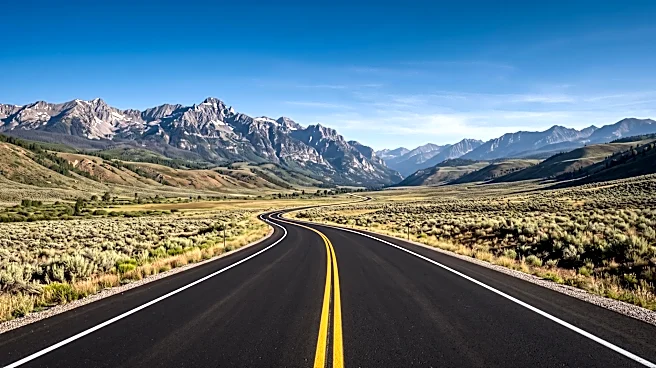
Colorado Highway 17 has fully reopened to travel between Antonito, Colorado, and Chama, New Mexico, as of Friday afternoon, November 6. This critical route connects Pagosa Springs with the San Luis Valley and other points in Colorado. The reopening significantly
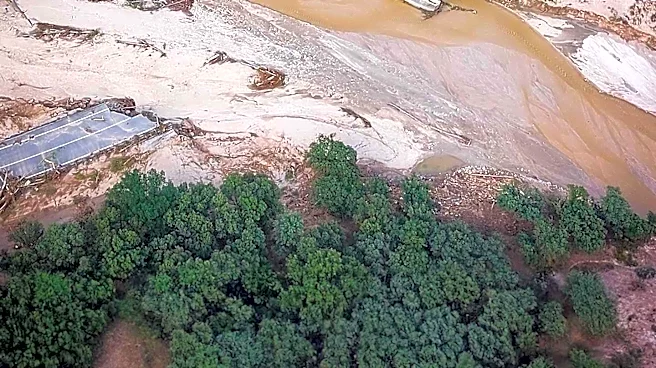
reduces detour travel times for motorists heading to Pagosa Springs. All travel restrictions within the community of Pagosa Springs have also been lifted, with US 160 through the downtown area now open. Pagosa Springs has restored essential services and cleared primary roads, welcoming visitors. The Colorado Department of Transportation (CDOT) and New Mexico Department of Transportation (NMDOT) maintenance and construction crews are continuing repair work on several highway segments damaged during recent flooding. Automated portable traffic signals are in place to guide motorists through lane closure areas, and an 11-foot width restriction is currently in effect. Travelers are advised to check COtrip.org or the COtrip Planner mobile app for real-time conditions and updates.
Why It's Important?
The reopening of CO 17 is vital for regional connectivity and economic activity, particularly for communities like Pagosa Springs. This highway serves as a crucial link for residents, tourists, and commercial traffic, facilitating access to and from the San Luis Valley and beyond. Reduced travel times will positively impact local businesses in Pagosa Springs, which rely on tourism and efficient transportation for goods and services. The restoration of essential services and clear roads in Pagosa Springs signals a return to normalcy after the flooding, encouraging economic recovery. For freight and commercial drivers, the guidance to use alternate interstate corridors like I-70 or I-40 for east-west travel, and to avoid unpaved or rural county roads, highlights the ongoing challenges and the importance of adhering to designated routes for safety and efficiency. The continued repair work underscores the vulnerability of infrastructure to natural disasters and the ongoing need for maintenance to ensure reliable transportation networks.
What's Next?
Crews will continue cleanup and roadway stabilization efforts throughout the week to fully restore normal travel patterns. Motorists should anticipate ongoing construction and flood recovery work on county roads and town streets, particularly in Archuleta County and Pagosa Springs, and are urged to slow down in these areas. CDOT advises travelers to check COtrip.org or the free COtrip Planner app for the latest travel impacts, road repairs, and open corridors before embarking on their journeys. Essential travelers are also reminded to keep supplies on hand, such as a full tank of fuel, snacks, water, and warm layers, especially when undertaking mountain travel, in case of unexpected delays. The 11-foot width restriction will remain in place until further notice, impacting larger vehicles. Updates on surrounding state road conditions for New Mexico, Arizona, and Utah can be found on their respective state DOT websites.
Beyond the Headlines
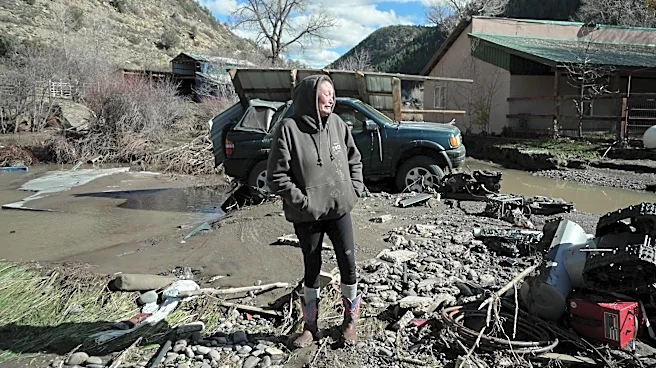
The incident highlights the broader implications of climate-related events on critical infrastructure and regional economies. The flooding that damaged CO 17 underscores the increasing need for resilient infrastructure planning and investment, particularly in mountainous regions prone to severe weather. The collaborative effort between Colorado and New Mexico DOTs to reopen the highway demonstrates the importance of inter-state cooperation in managing shared transportation networks. Beyond immediate repairs, there's a long-term challenge of adapting infrastructure to withstand future environmental impacts, which could involve more robust construction standards and proactive maintenance strategies. The emphasis on 'knowing before you go' and carrying emergency supplies reflects a growing public awareness campaign for personal preparedness in the face of unpredictable travel conditions, a trend likely to continue as weather patterns become more volatile.