


What's Happening?
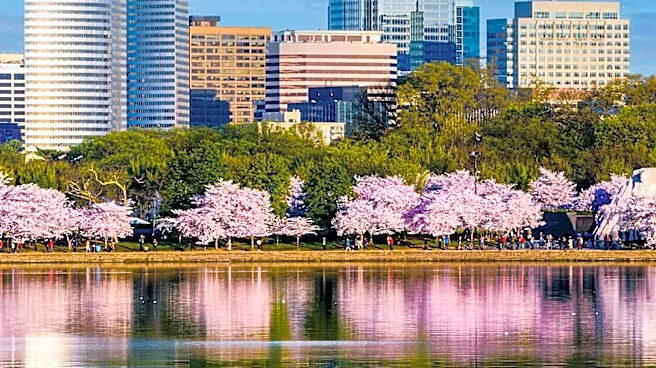
The Potomac River, often referred to as 'the Nation's River,' has been highlighted as America's Most Endangered River for 2026. This designation underscores the urgent need for restoration and protection efforts to safeguard the river's ecosystem and the communities
that rely on it. Historically, the Potomac has been a significant waterway, once described by President Lyndon B. Johnson as a 'river of decaying sewage and rotten algae.' Despite past challenges, the river has seen improvements due to conservation efforts. However, ongoing environmental threats necessitate continued advocacy and investment to ensure its health and sustainability.
Why It's Important?
The Potomac River's status as an endangered river has broad implications for environmental policy and public health. As a major source of drinking water and a habitat for diverse wildlife, its degradation could have severe consequences for the surrounding regions. The river's condition reflects broader environmental challenges facing the U.S., highlighting the need for effective conservation strategies. The Potomac's historical and cultural significance also makes its preservation a matter of national interest, potentially influencing future environmental legislation and community engagement in conservation efforts.
What's Next?
Efforts to address the Potomac River's environmental challenges will likely involve increased funding for restoration projects and stricter regulations to prevent pollution. Community organizations and government agencies may collaborate to implement sustainable practices and raise public awareness about the river's importance. The designation as an endangered river could also prompt legislative action to enhance environmental protections. Monitoring and research will be crucial in assessing the effectiveness of these measures and ensuring the river's long-term health.