
What's Happening?
The International Committee of the Red Cross (ICRC) is actively recruiting an Open-Source Information (OSI) Analyst to bolster its protection activities in the Americas, based in Bogotá, Colombia. This
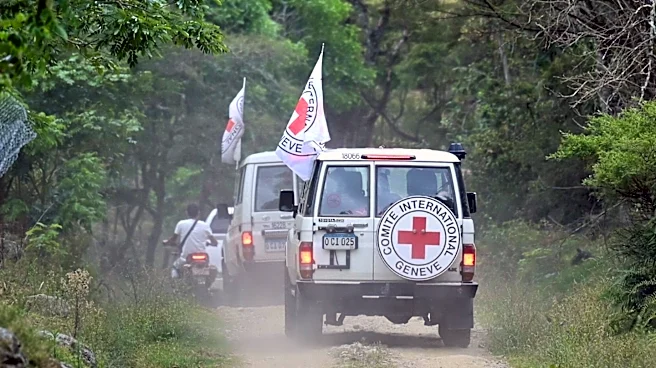
role is crucial for integrating OSI and related research methodologies into all phases of the ICRC’s protection work, aiming to strengthen analysis and evidence-informed decision-making. The analyst will contribute to documenting potential violations of international law, supporting operational planning, and providing situational analysis of ground realities. Key responsibilities include leading the systematic identification, verification, and advanced analysis of digital material, triangulating OSI findings with internal case data and witness accounts, and developing innovative tools for open-source research. The ICRC emphasizes its commitment to diversity and offers a competitive salary and learning opportunities within a multicultural environment. The organization operates worldwide, providing humanitarian assistance to those affected by conflict and armed violence, while promoting respect for international humanitarian law.
Why It's Important?
This recruitment highlights the increasing reliance of humanitarian organizations like the ICRC on advanced data analysis and open-source intelligence to effectively respond to global conflicts and protect vulnerable populations. By leveraging OSI, the ICRC can enhance its ability to identify, document, and respond to violations of international law with greater precision and speed. This role is vital for ensuring that humanitarian interventions are evidence-based and strategically planned, which can lead to more effective protection outcomes for victims of armed conflict. The integration of such analytical capabilities also underscores a broader trend in humanitarian aid towards more sophisticated, data-driven approaches, moving beyond traditional on-the-ground reporting to incorporate digital forensics and intelligence. This shift can improve accountability for perpetrators of violence and provide more timely assistance to those in need, ultimately strengthening the ICRC's mandate derived from the Geneva Conventions of 1949.
What's Next?
The ICRC will proceed with the selection and hiring of a qualified OSI Analyst, who will then integrate into protection teams across the Americas. This integration is expected to lead to a more robust analytical framework for the ICRC's operations in the region, enhancing its capacity to monitor, document, and respond to humanitarian crises. The new analyst will be instrumental in developing and implementing advanced open-source research methodologies, which will likely influence future operational strategies and interventions. Furthermore, the ICRC's emphasis on innovation, including the responsible use of AI tools in open-source research, suggests a continuous evolution in its approach to humanitarian work. This could set a precedent for other humanitarian organizations to adopt similar advanced analytical roles, fostering a more data-informed and proactive humanitarian response landscape globally.
Beyond the Headlines
The ICRC's investment in an OSI Analyst reflects a significant evolution in humanitarian operations, moving towards a more technologically advanced and data-centric approach. This shift raises important ethical and practical considerations regarding data privacy, the verification of digital information in conflict zones, and the potential for misinterpretation or misuse of open-source intelligence. The role requires a delicate balance between leveraging publicly available information for humanitarian good and ensuring the safety and privacy of individuals. Furthermore, the increasing reliance on digital tools and AI in humanitarian contexts could lead to new challenges in maintaining neutrality and independence, core principles of the ICRC. This development also highlights the growing intersection of technology, international law, and humanitarian aid, signaling a future where digital literacy and analytical skills will be as crucial as traditional field experience for humanitarian workers.