

What's Happening?
Negotiations among seven U.S. states over the allocation of the Colorado River's water resources have reached an impasse. The states, which rely on the river for water supply, have been unable to agree on how to implement the necessary water cuts to address
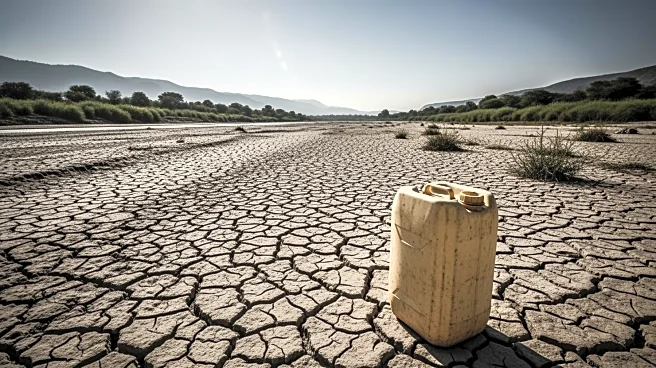
the river's overuse and the impacts of climate change. The Colorado River, which supports 40 million people and significant agricultural and economic activities, has been overdrawn for over a century. Rising temperatures and reduced precipitation have exacerbated the situation, leading to a critical need for water conservation measures.
Why It's Important?
The failure to reach an agreement on water allocation has significant implications for the American West, where water is a critical resource for both urban and agricultural areas. The ongoing drought and climate change are expected to further reduce water availability, threatening the livelihoods of millions and the health of ecosystems. The lack of consensus among the states could lead to federal intervention, which may impose severe water cuts and result in legal battles. This situation underscores the urgent need for collaborative water management strategies to ensure sustainable use of the Colorado River.
What's Next?
If the states cannot reach an agreement, the federal government may impose its own plan, potentially leading to significant reductions in water allocations for the lower-basin states. This could trigger lawsuits and complex legal disputes, further complicating the situation. In the meantime, stakeholders must continue to explore conservation measures and innovative water management solutions to address the challenges posed by climate change and water scarcity.