






What's Happening?
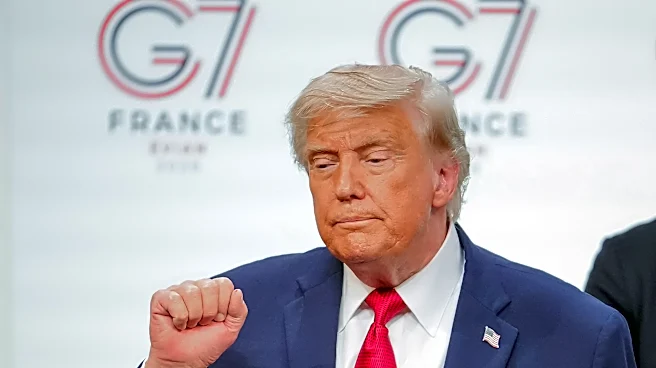
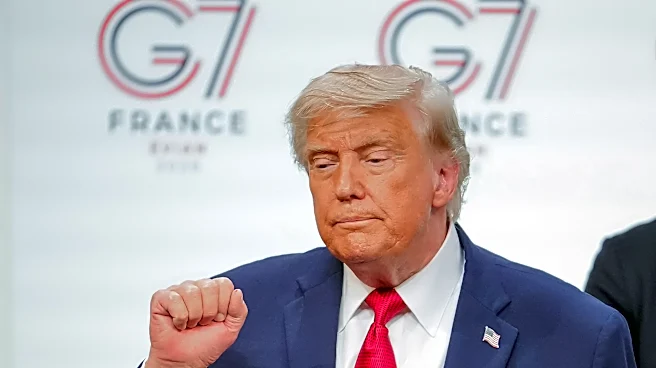
The Trump administration has agreed to release billions of dollars in Iranian assets that were previously frozen by the United States. This decision is part of a broader memorandum of understanding aimed at settling the ongoing conflict with Iran. The agreement
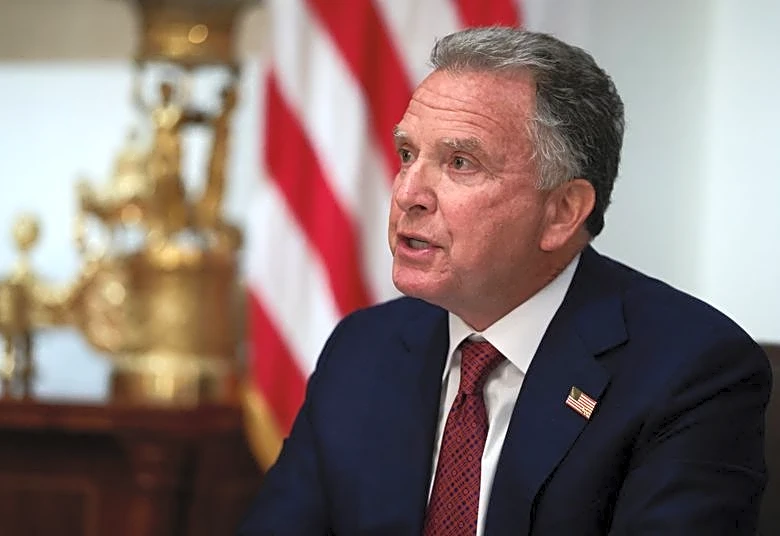
includes lifting sanctions on Iranian oil, allowing Tehran to resume its oil trade, and ending a U.S. naval blockade of Iranian ports. Additionally, the U.S. has committed to establishing a fund of at least $300 billion for the reconstruction and economic development of Iran. These concessions have been met with sharp criticism from Republican senators, who argue that the deal represents a significant reversal of longstanding U.S. policy towards Iran, which has been considered a major security threat.
Why It's Important?
The concessions made by the Trump administration could have significant implications for U.S. foreign policy and its relations with Iran. By lifting sanctions and providing financial aid, the U.S. is potentially strengthening Iran's economic position, which could alter the balance of power in the Middle East. Critics argue that these actions may embolden Iran, a nation previously identified as a state sponsor of terrorism, and could undermine U.S. security interests. The decision has also sparked a political debate within the U.S., with some viewing it as a necessary step towards peace, while others see it as a dangerous precedent that could weaken U.S. leverage in future negotiations.
What's Next?
The agreement leaves several critical issues unresolved, including the future of Iran's nuclear program. Detailed negotiations on this matter are expected to continue, with the U.S. seeking to ensure that Iran does not develop nuclear weapons. The administration's approach may face further scrutiny from Congress, where bipartisan opposition could influence the implementation of the agreement. Additionally, the international community will be watching closely to see how Iran responds to these concessions and whether it will adhere to its commitments under the new framework.