

What's Happening?
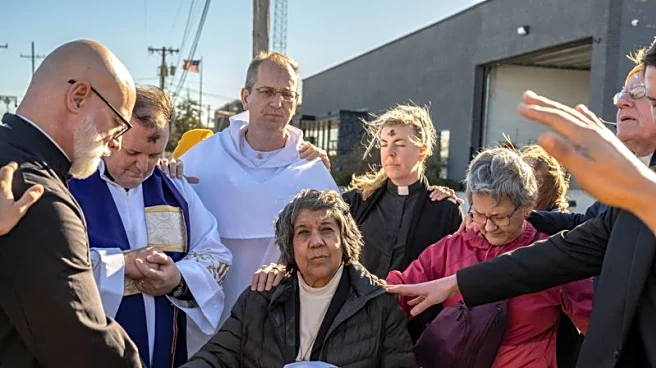
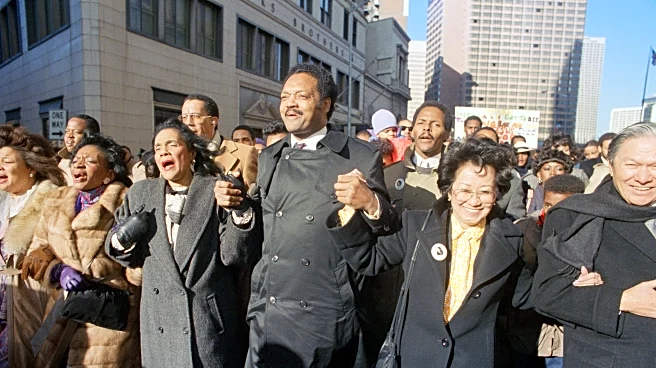
Federal immigration agents have increasingly used a once-obscure law, 18 USC 111, to detain American citizens who protest or document immigration operations. This statute, which makes it illegal to impede federal officers, has been applied in cities like
Minneapolis and Chicago, where protests against immigration enforcement have been prominent. Despite the increase in arrests, many cases have been dismissed or resulted in acquittals, raising concerns about the misuse of the law. Legal experts argue that the statute is being used to suppress First Amendment rights rather than protect federal officers.
Why It's Important?
The use of 18 USC 111 to detain protesters highlights tensions between immigration enforcement and civil liberties. The application of this law raises questions about the balance between national security and the protection of constitutional rights. The increase in arrests under this statute could deter public demonstrations and limit free speech, impacting how citizens engage with government actions. The situation underscores the need for clear guidelines on the use of force and the protection of civil rights during federal operations.
What's Next?
Legal challenges to the use of 18 USC 111 may arise, potentially leading to court rulings that clarify the statute's application. Civil rights organizations might increase advocacy efforts to protect protest rights and challenge perceived abuses of power. The Department of Justice and Department of Homeland Security may face pressure to review and possibly revise enforcement policies to ensure they align with constitutional protections. Public discourse on the balance between security and civil liberties is likely to intensify, influencing future policy decisions.