
What's Happening?
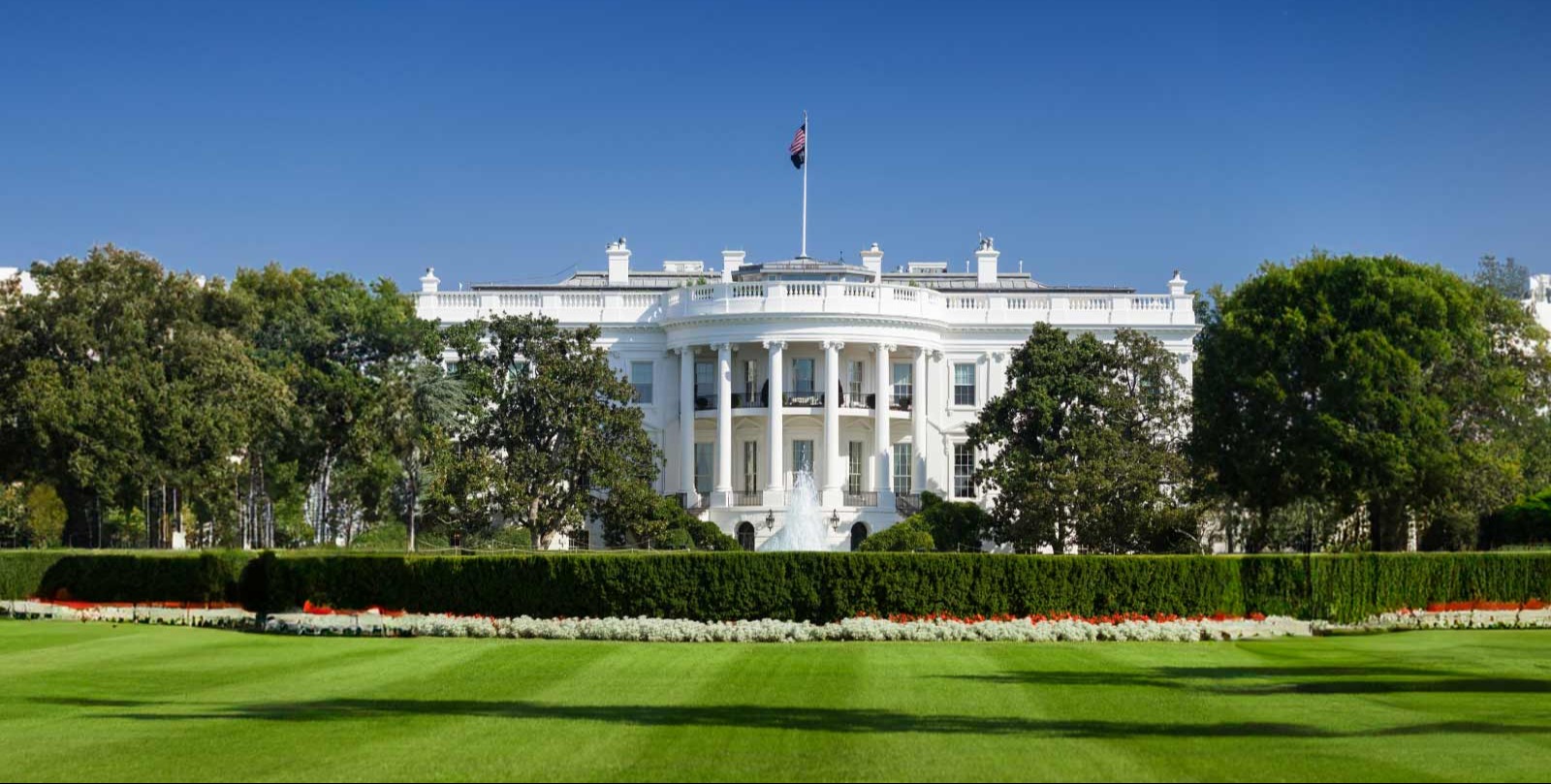
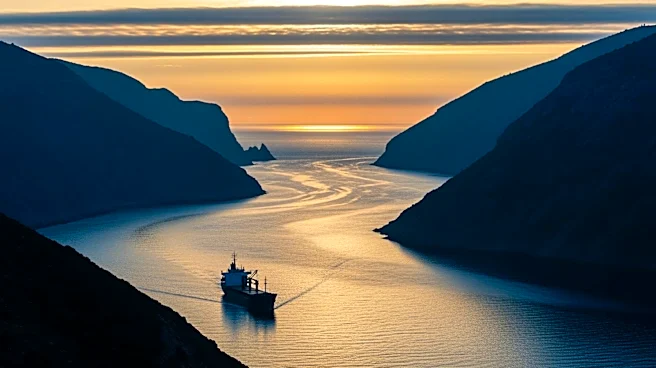
President Donald Trump has issued a stern warning to Iran, demanding the reopening of the Strait of Hormuz within 48 hours. This ultimatum follows Iran's closure of the strait, a critical global shipping
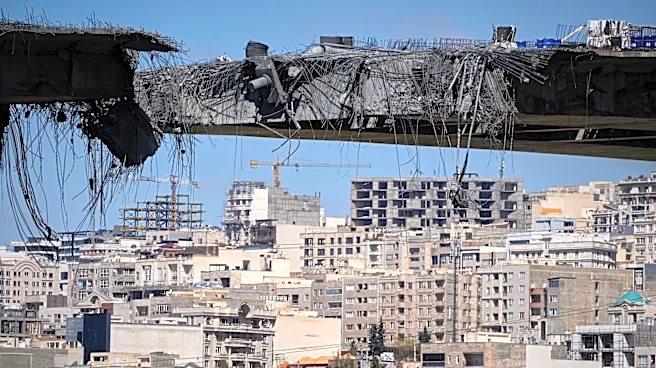
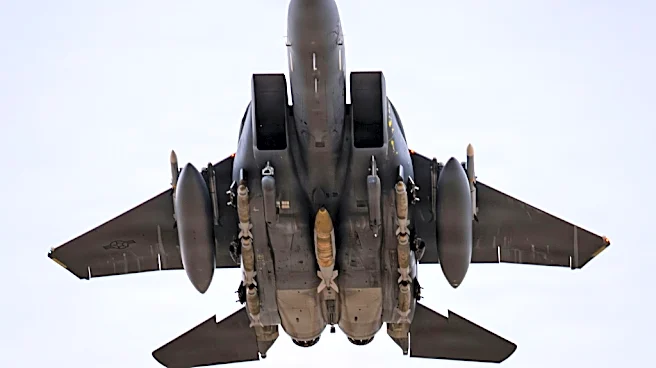
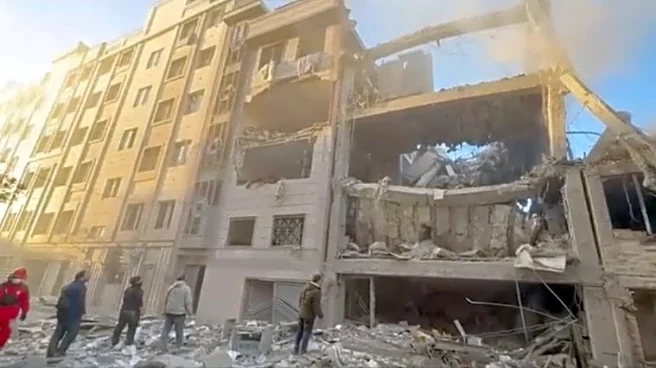
lane, in response to U.S. and Israeli military actions. The closure has significantly impacted global oil and natural gas supplies, causing prices to surge. Trump has threatened severe military retaliation, including targeting Iran's power plants, if the strait is not reopened by the deadline. This development is part of the broader U.S.-Iran conflict, which has seen escalating military engagements and strategic posturing.
Why It's Important?
The Strait of Hormuz is a vital chokepoint for global energy supplies, with about 20% of the world's oil and natural gas passing through it. Its closure has immediate economic implications, driving up energy prices and affecting global markets. Trump's ultimatum highlights the high stakes of the U.S.-Iran conflict and the potential for further military escalation. The situation poses significant risks to regional stability and could have broader geopolitical repercussions, affecting international relations and economic stability.
What's Next?
The deadline set by President Trump is fast approaching, and Iran's response will be crucial in determining the next steps. If Iran does not comply, the U.S. may proceed with military actions, potentially escalating the conflict further. The international community will be closely monitoring the situation, with potential diplomatic interventions or sanctions being considered. The outcome could influence future U.S. foreign policy and military strategy in the region.