
What's Happening?
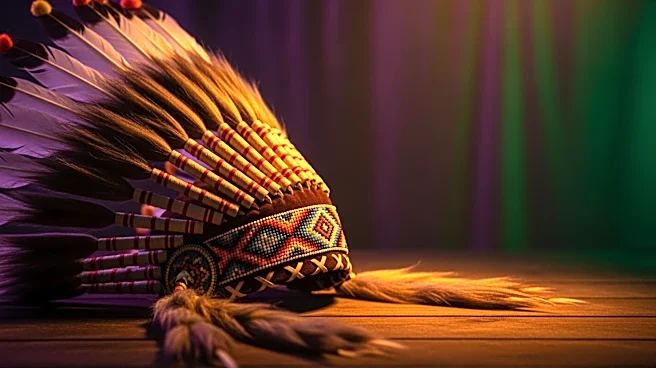
The Mardi Gras Indians, also known as Black Masking Indians, are a cultural group in New Orleans that celebrates their heritage through the creation and display of elaborate, beaded costumes during Mardi Gras.
Big Chief Demond Melancon, a prominent figure in this tradition, dedicates significant time and resources to crafting these intricate suits, which can weigh up to 120 pounds and require a year to complete. The tradition, which dates back to the 1800s, involves tribes competing in artistic displays and mock battles to showcase their costumes. The origins of the Mardi Gras Indians are linked to stories of escaped enslaved people finding refuge with Native American tribes, and the tradition serves as a tribute to both Indigenous and African roots.
Why It's Important?
The Mardi Gras Indians' tradition is a vital expression of cultural identity and resistance against historical oppression. It highlights the resilience and creativity of the African American community in New Orleans, preserving a unique cultural heritage that has survived despite challenges such as segregation and gentrification. The elaborate costumes and the community's dedication to this tradition underscore the importance of cultural preservation in maintaining a sense of identity and continuity. The Mardi Gras Indians also contribute to the cultural richness of New Orleans, attracting attention from both locals and tourists, and playing a role in the city's vibrant cultural landscape.
What's Next?
The future of the Mardi Gras Indians' tradition faces challenges from economic pressures and the changing demographics of New Orleans neighborhoods. However, leaders like Big Chief Demond Melancon and Big Chief Monk Boudreaux are committed to inspiring the next generation to continue this cultural practice. Efforts to document and share the tradition through art exhibitions and music recordings aim to ensure its survival. The community's resilience and adaptability will be crucial in navigating these challenges and keeping the tradition alive for future generations.
Beyond the Headlines
The Mardi Gras Indians' tradition raises important questions about cultural appropriation, identity, and the role of art in social movements. The practice of masking as Indians to preserve African culture reflects a complex history of cultural exchange and adaptation. As the tradition gains international recognition, it also prompts discussions about the commercialization of cultural practices and the need to protect the integrity of indigenous and African American cultural expressions.