




What's Happening?
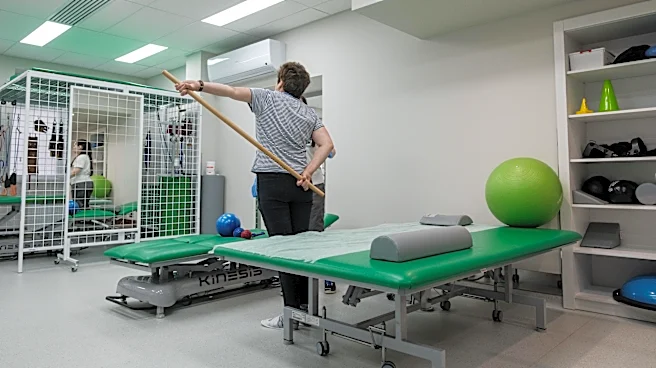
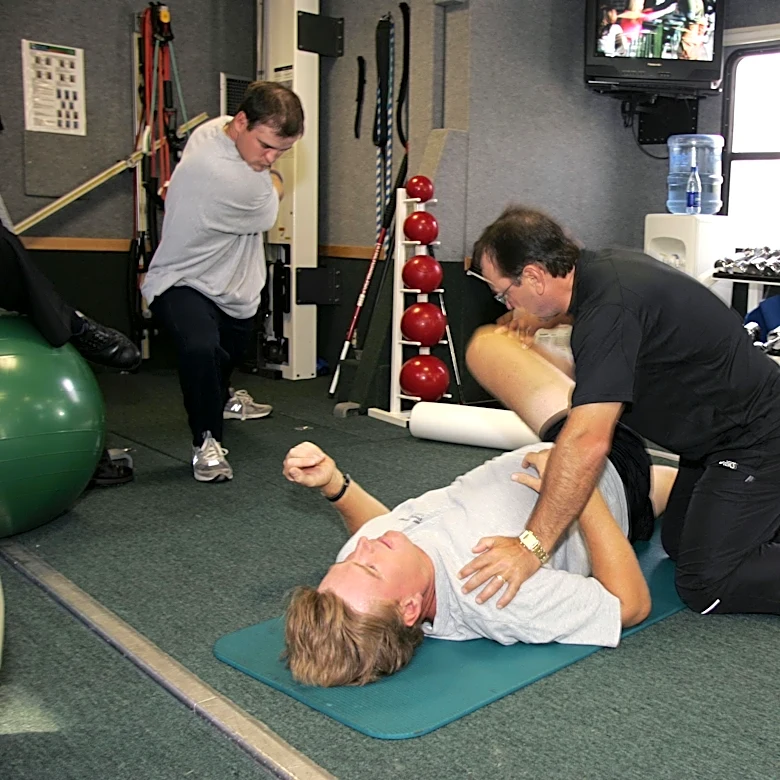
MyChiro emphasizes that while stretching cannot correct scoliosis curvature, specific mobility stretches can support general spinal mobility, posture awareness, and day-to-day comfort for individuals with the condition. Commonly recommended stretches include
Cat-Cow, seated spinal twists, standing side stretches, and thread-the-needle. These exercises primarily target thoracic and lumbar mobility, hip flexibility, and rib cage expansion, areas often affected by scoliosis. MyChiro clarifies that stretching is a supportive measure, not a management strategy for structural scoliosis, which is defined by a Cobb angle of 10 degrees or more. They advise holding most stretches for 20 to 30 seconds and repeating them 2 to 3 times daily as a general mobility habit.
Why It's Important?
This information is crucial for individuals with scoliosis as it provides realistic expectations about the role of stretching in managing their condition. By distinguishing between supportive mobility work and corrective treatment, MyChiro helps prevent misconceptions that could lead to ineffective or potentially harmful practices. The focus on improving comfort and posture awareness can significantly enhance the quality of life for those living with scoliosis, even if the underlying curvature remains. This guidance also underscores the importance of professional assessment by chiropractors, general practitioners, or specialists to develop a comprehensive care plan, ensuring that stretching is integrated appropriately and safely.
What's Next?
MyChiro strongly recommends that individuals with scoliosis seek an assessment from a qualified health professional before starting any stretching routine, especially if the curve has been recently diagnosed or has changed. This assessment will help determine which stretches are suitable based on the curve's location and severity. The clinic in Bondi Junction emphasizes personalized guidance, treating stretching as one component of a broader plan that includes posture habits and general strength work. Patients are advised to stop any stretch that causes sharp pain, numbness, or radiating pain and seek medical attention, reinforcing the need for professional oversight.
Beyond the Headlines
The emphasis on professional assessment and personalized care for scoliosis highlights a broader trend in healthcare towards individualized treatment plans, moving away from one-size-fits-all solutions. This approach acknowledges the unique nature of each patient's condition and the importance of integrating various therapeutic modalities. The clear distinction between supportive care (like stretching) and corrective treatment for scoliosis also educates the public on the limitations of certain interventions, promoting informed decision-making. This could lead to greater patient empowerment and better health outcomes by fostering a collaborative relationship between patients and healthcare providers in managing complex conditions like scoliosis.