




What's Happening?
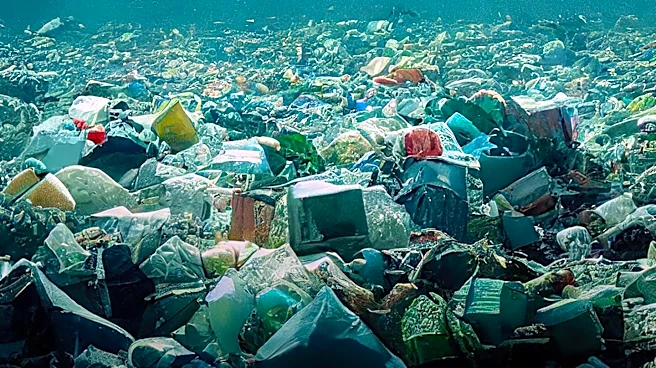
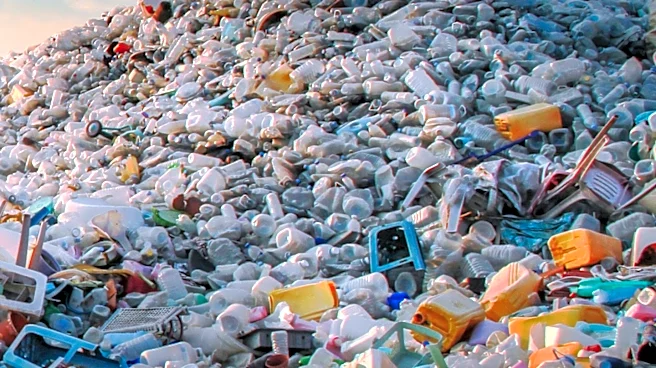
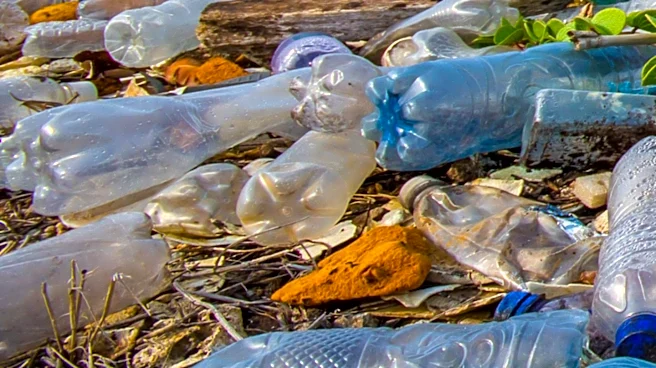
The Republic of the Marshall Islands has initiated the CleanSeas project, aimed at reducing plastic pollution and protecting its vast ocean territories. This initiative, in collaboration with the Secretariat of the Pacific Regional Environment Programme
(SPREP), Deutsche Gesellschaft für Internationale Zusammenarbeit (GIZ), and the Pacific Community (SPC), focuses on strengthening national systems to manage plastic waste. The project seeks to improve waste recovery, recycling, and resilience against marine litter. The CleanSeas project is part of a broader effort to implement the Pacific Regional Action Plan on Marine Litter and advance negotiations towards a global plastics treaty. The project is funded by the German Federal Ministry for the Environment and involves multiple stakeholders, including government agencies, civil society, and the private sector.
Why It's Important?
The CleanSeas project is crucial for the Marshall Islands as it addresses the growing issue of plastic pollution, which poses significant threats to marine biodiversity and the livelihoods of communities dependent on ocean resources. By enhancing waste management systems and promoting recycling, the project aims to reduce the environmental impact of plastic waste. This initiative also aligns with global efforts to establish a legally binding treaty to combat plastic pollution, highlighting the Marshall Islands' commitment to environmental sustainability. The project's success could serve as a model for other Pacific nations facing similar challenges.
What's Next?
The CleanSeas project will focus on developing a National Plastic Action Plan, conducting a national plastic inventory, and improving digital waste information systems. The project will also engage various stakeholders, including youth organizations and the private sector, to implement practical solutions for reducing plastic pollution. The outcomes of the project's inception workshop will guide the development of a national work plan, ensuring that activities align with national priorities and complement existing initiatives. Continued collaboration with regional and international partners will be essential to achieving the project's goals.