







What's Happening?
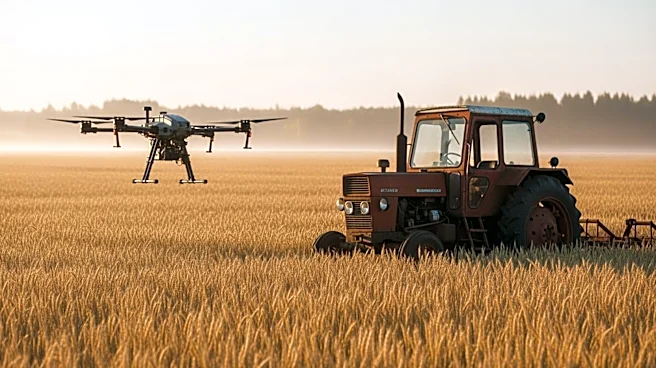
Artificial intelligence (AI) is being integrated into agricultural practices to improve water stewardship and optimize irrigation. Researchers and companies are developing AI-assisted tools to manage large datasets from soil moisture sensors and weather
data, providing real-time irrigation recommendations. This technology aims to reduce groundwater use while maintaining crop yields. The University of Nebraska–Lincoln is at the forefront of this research, demonstrating significant water savings and efficiency gains. Despite the potential benefits, adoption of AI technology in agriculture remains low, with many farmers still relying on traditional methods.
Why It's Important?
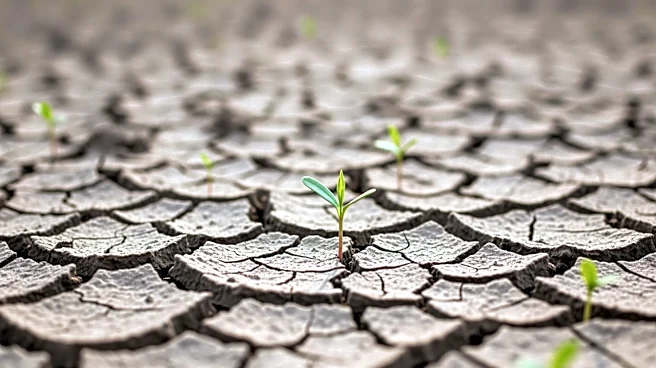
The integration of AI in agriculture represents a significant advancement in addressing water scarcity, a critical issue exacerbated by climate change and population growth. By optimizing water use, AI technology can help sustain agricultural productivity while conserving vital water resources. This is particularly important in regions like the High Plains, where groundwater levels are declining. The successful implementation of AI-assisted irrigation could lead to more sustainable farming practices, reduce environmental impact, and ensure food security. However, widespread adoption requires overcoming barriers such as cost, complexity, and the need for farmer education.