



What's Happening?
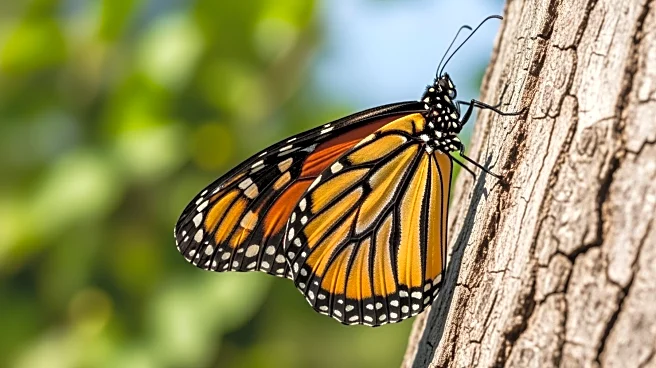
The Trump administration has postponed a decision on whether to grant federal protections to monarch butterflies, despite ongoing concerns from conservationists about declining populations. The U.S. Fish and Wildlife Service had previously indicated plans
to list the monarch as a threatened species by the end of 2025. However, the administration has now categorized this as a 'long-term action,' meaning a decision will not be made within the current year. This delay comes amidst broader efforts by the administration to reduce environmental regulations, including rolling back protections for various species and promoting oil and gas development. Conservation groups, such as the Center for Biological Diversity, have been advocating for monarch protections since 2014, citing threats from climate change and habitat loss.
Why It's Important?
The delay in protecting monarch butterflies highlights a significant tension between conservation efforts and regulatory policies under the Trump administration. Monarch butterflies are crucial pollinators, and their decline could have broader ecological impacts. The administration's approach reflects a prioritization of economic development over environmental conservation, potentially setting a precedent for how similar cases are handled. This decision affects not only environmental groups but also agricultural sectors that rely on pollinators. The delay may also influence public perception of the administration's environmental policies, potentially affecting political support among environmentally conscious voters.
What's Next?
The future of monarch butterfly protections remains uncertain, as the delay places the species in a state of 'bureaucratic limbo.' Conservation groups may continue to push for federal action, potentially through legal challenges or increased advocacy. The administration's broader regulatory strategy suggests that similar delays could occur for other species, prompting environmental groups to seek alternative conservation strategies. The ongoing debate may also influence future legislative efforts to balance economic and environmental priorities.