



What's Happening?
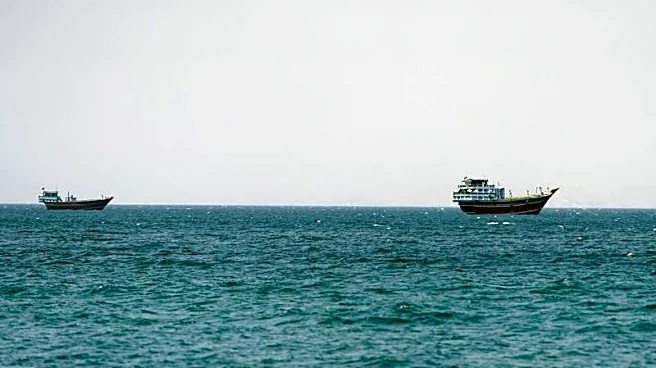
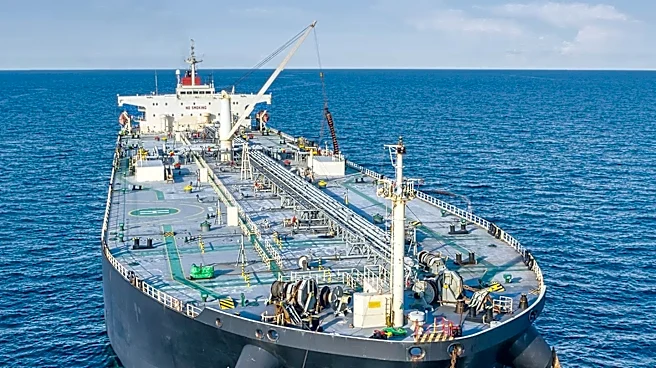
A liquefied natural gas (LNG) tanker carrying Qatari cargo was hit by a projectile while navigating the Strait of Hormuz, escalating tensions in a critical energy shipping route. The vessel, identified as the Gaslog Shanghai, is managed by Greece-based
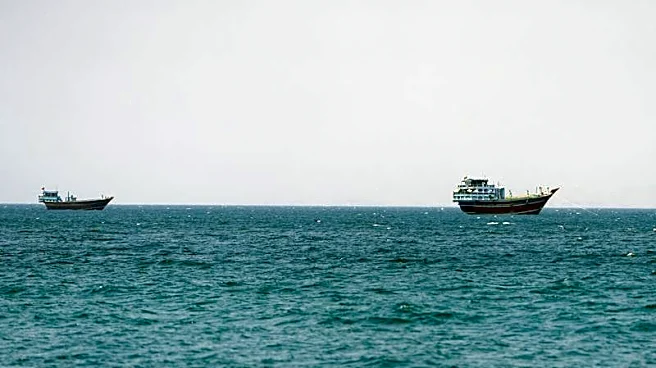
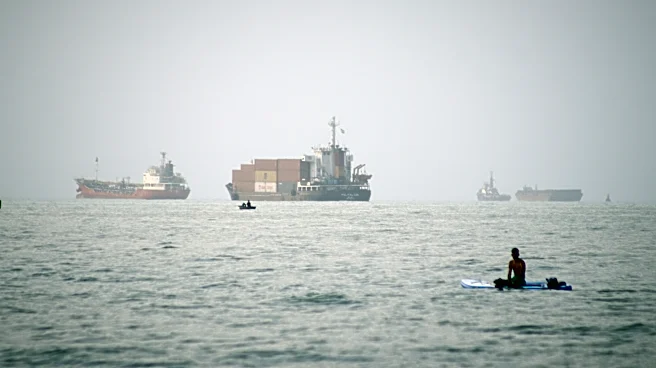
GasLog and was struck near the Omani coast. The incident caused a fire in the engine room, leading to a blackout and loss of propulsion, but no crew injuries were reported. This attack is part of a series of recent strikes on LNG carriers, including a previous incident involving the Qatari LNG tanker Al Rekayyat, which led to a temporary halt in shipments through the strait. The Strait of Hormuz is a vital passage for Qatar's LNG exports, accounting for over 90% of its shipments and about one-fifth of global LNG trade.
Why It's Important?
The attack on the Gaslog Shanghai underscores the vulnerability of global LNG supply chains, particularly as the Strait of Hormuz is a crucial chokepoint for energy exports. Qatar, the world's second-largest LNG exporter, plays a significant role in the global energy market, and disruptions in its supply can lead to increased volatility in LNG prices. The incident may result in higher insurance premiums and freight rates, as well as reluctance from shipping companies to transit the strait, potentially leading to further supply disruptions. This situation could exacerbate competition between Asian and European markets for LNG, impacting energy prices and supply security, especially in Europe, which is already facing challenges in meeting its gas storage targets.
What's Next?
The ongoing security threats in the Strait of Hormuz may prompt shipping companies to seek alternative routes or increase security measures, potentially affecting global LNG supply chains. Insurance companies might raise premiums for vessels transiting the area, and shipping companies could declare force majeure or divert cargoes. The European Union, heavily reliant on LNG imports, may face increased competition for available supplies, potentially driving up prices. The situation remains fluid, with no party claiming responsibility for the attack, and the response from stakeholders will be crucial in determining the stability of LNG flows from Qatar.