
What's Happening?
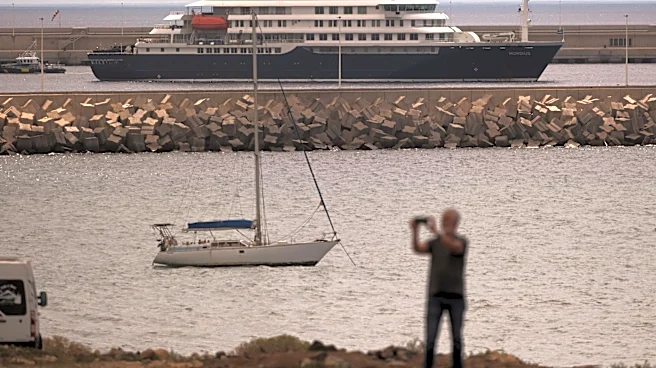
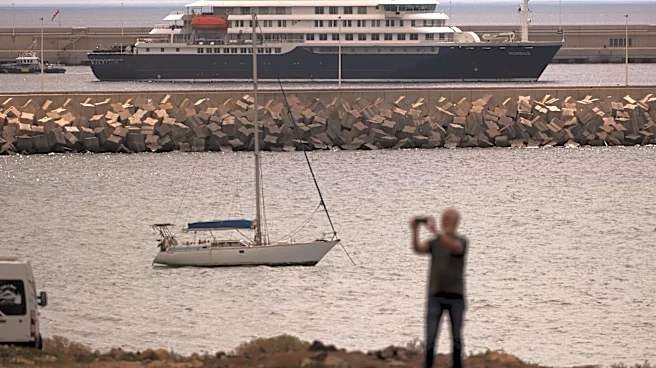
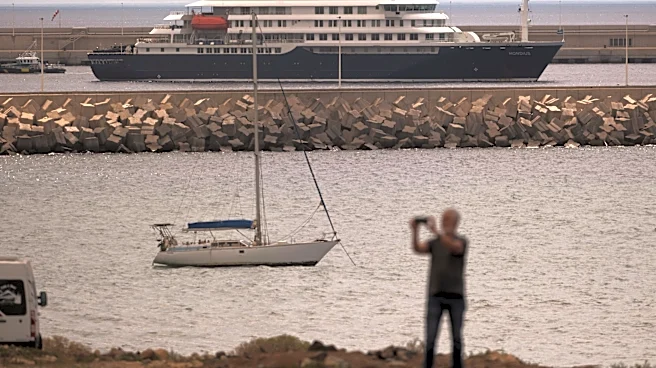
The World Health Organization (WHO) is monitoring a hantavirus outbreak linked to the MV Hondius cruise ship, which has resulted in 11 cases and three deaths. The outbreak involves the Andes virus, known
for its potential human-to-human transmission. The ship, which traveled through remote areas, has been a focal point for international health agencies coordinating a response. Passengers and crew have been repatriated, and contact tracing is underway. The WHO has assessed the global risk as low but continues to monitor the situation closely.
Why It's Important?
This outbreak underscores the complexities of managing infectious diseases in international travel contexts. The potential for human-to-human transmission of the Andes virus, although limited, raises concerns about the spread of infectious diseases in confined environments like cruise ships. The incident highlights the need for robust international health regulations and cooperation to manage and contain outbreaks effectively. The response to this situation could inform future strategies for handling similar public health threats.
What's Next?
The WHO and national health authorities are conducting epidemiological investigations to understand the outbreak's source and transmission dynamics. Quarantine measures and health monitoring are in place for those exposed. The ship is en route to the Netherlands, with health workers on board to provide care. Ongoing research and data collection will inform future public health guidelines and response strategies. The situation remains under close observation, with updates expected as more information becomes available.