



What's Happening?
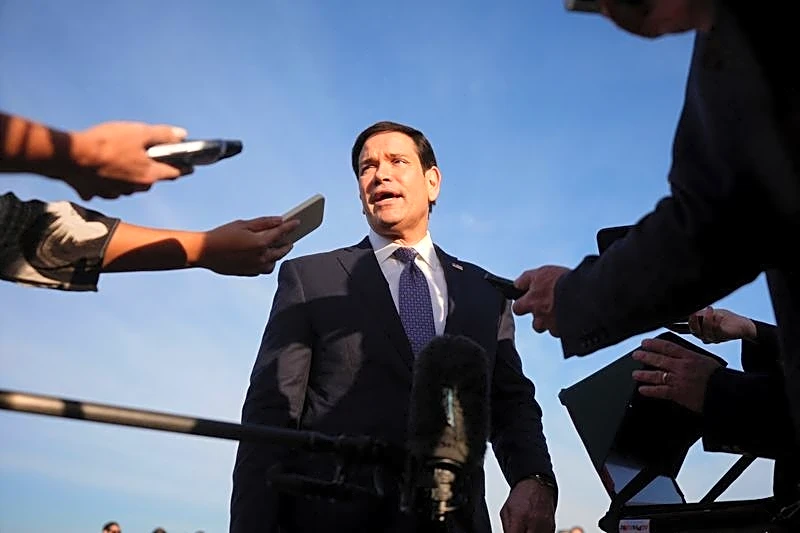
Senator John Boozman (R-AR) has introduced the bipartisan Ecological Restoration Project Permitting Act. This legislation aims to streamline the federal permitting process for projects focused on restoring, enhancing, or rehabilitating degraded aquatic
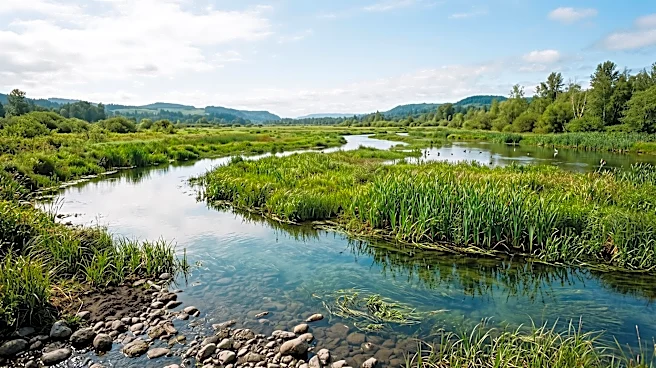
habitats under Section 404 of the Clean Water Act. The proposed act seeks to establish a new, more efficient permitting pathway for such projects, which include restoring wetlands on marginal farmland, reconnecting floodplains, stabilizing eroding streambanks, and installing berms and water-control structures. Senator Boozman emphasized that the bill is designed to reduce administrative hurdles for projects that provide a net ecological benefit, ensuring that environmental protections are maintained while making it easier for farmers, landowners, and conservationists to undertake critical habitat improvements. The bill is supported by various organizations, including Ducks Unlimited, the Congressional Sportsmen’s Foundation, Theodore Roosevelt Conservation Partnership, National Audubon Society, and the Arkansas Game and Fish Commission.
Why It's Important?
This legislation is important because it addresses a long-standing challenge in environmental conservation: the often-complex and time-consuming federal permitting process. By streamlining the Clean Water Act permitting for ecological restoration projects, the bill could significantly accelerate efforts to improve and protect vital aquatic ecosystems across the U.S. This could lead to healthier habitats for wildlife, better water quality, and increased resilience against environmental changes. For agricultural communities, it offers a more predictable and efficient path to implement conservation practices, potentially unlocking private investment in on-the-ground conservation. The bipartisan nature of the bill also signals a potential for broader cooperation on environmental issues, which can lead to more stable and effective long-term policies. The current system, as noted by supporters, can deter or delay beneficial projects, and this act aims to remove those barriers, ultimately benefiting both the environment and the stakeholders involved in conservation.
What's Next?
The Ecological Restoration Project Permitting Act will now proceed through the legislative process in the Senate. If passed, it would establish a new nationwide Ecological Restoration Project (ERP) Permit under Section 404(e) of the Clean Water Act, directing the U.S. Army Corps of Engineers (USACE) to consult with federal environmental and conservation agencies to reduce duplicative reviews. The bill also proposes creating consistent permitting processes with enforceable review timelines, including a 30-day completeness determination and a 45-day verification for non-federal projects, with automatic permit verification if deadlines are missed. Federal projects would have a shorter summary report process. Additionally, it would establish a 10-year permit term for the ERP, with provisions for renewals and extensions, a significant change from the current five-year cycle. The next steps will involve committee hearings, potential amendments, and votes in both the Senate and the House of Representatives.
Beyond the Headlines
Beyond the immediate streamlining of permits, this legislation could foster a broader shift in how environmental restoration is approached in the U.S. By creating a dedicated and efficient pathway for ecological projects, it implicitly recognizes the distinct nature and benefits of restoration compared to development. This could encourage more proactive conservation efforts by private landowners and organizations, potentially leading to a more decentralized and community-driven approach to environmental stewardship. The emphasis on maintaining strong environmental protections, including the Endangered Species Act and National Environmental Policy Act, suggests a balanced approach that seeks efficiency without compromising ecological integrity. This could also set a precedent for future legislative efforts to address regulatory burdens in other sectors, promoting a more adaptive and responsive regulatory framework for environmental management.