





What's Happening?
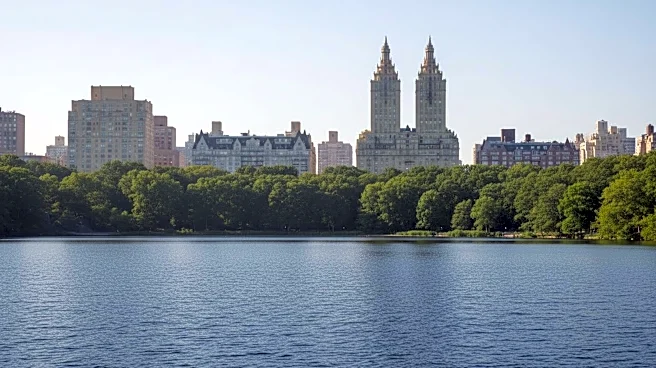
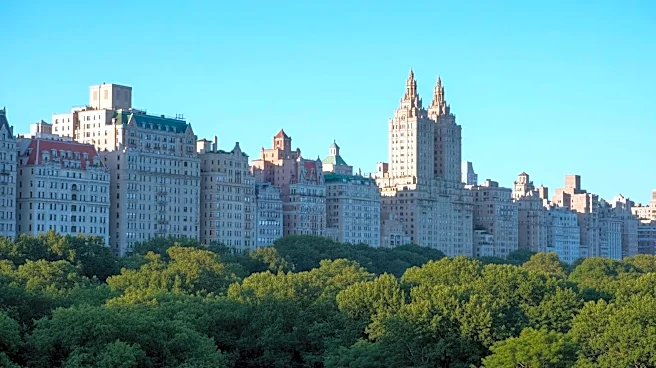
New York City health officials are currently investigating a cluster of Legionnaires' disease cases in the Upper East Side neighborhoods of Carnegie Hill and Yorkville. As of July 6, there have been 23 reported cases, resulting in 17 hospitalizations.
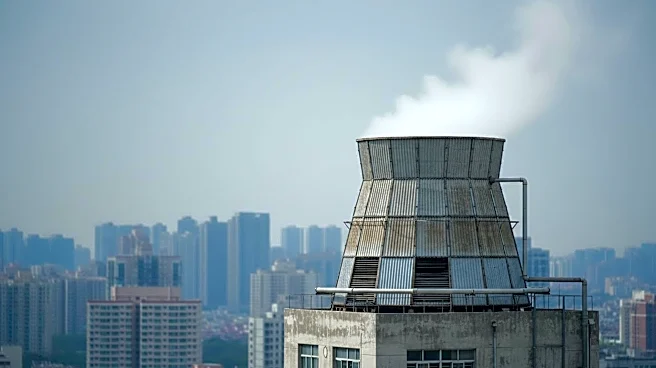
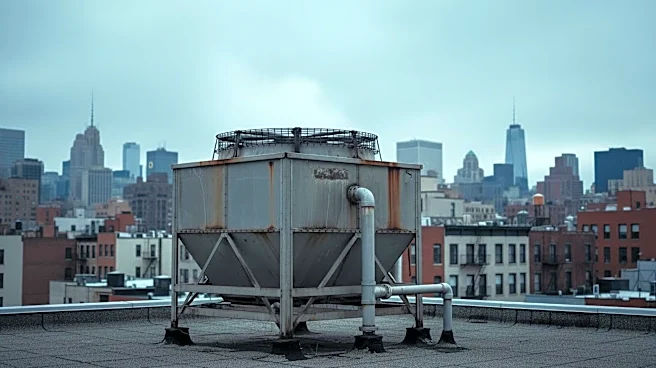
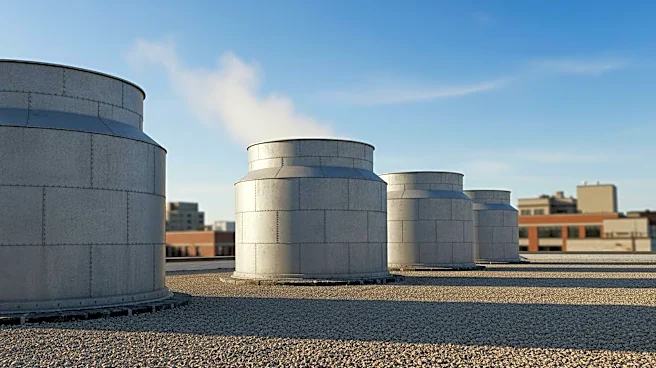
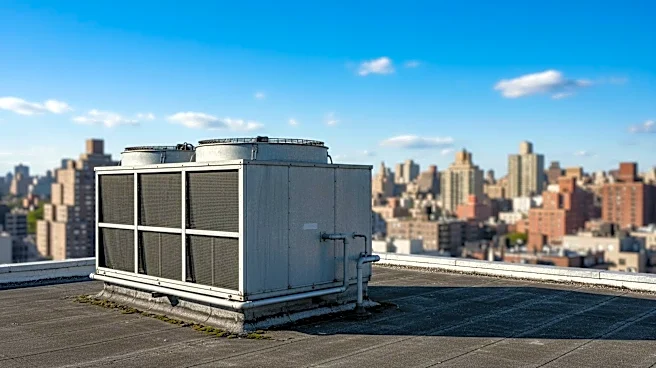
The disease, a type of pneumonia caused by Legionella bacteria, is believed to have originated from cooling towers in the area. These towers, typically located on building rooftops, are used to regulate temperatures in systems like refrigeration. The city's health department is actively testing all cooling towers in the affected ZIP codes: 10028, 10128, and 10075. Residents are advised that the disease is not transmitted through building plumbing systems, so activities such as drinking tap water, bathing, and using air conditioners remain safe. However, individuals experiencing flu-like symptoms are urged to seek medical attention promptly.
Why It's Important?
The outbreak of Legionnaires' disease on the Upper East Side is significant due to its potential health impact on the community, particularly among vulnerable populations. The disease can be fatal, with the CDC noting that one in ten affected individuals may die from complications if not treated promptly. This situation underscores the importance of rapid diagnosis and treatment with appropriate antibiotics. The outbreak also highlights the need for stringent maintenance and monitoring of building water systems to prevent bacterial growth. Public health officials are emphasizing preventive measures, such as regular cleaning of cooling towers and maintaining chlorine levels in water systems, to mitigate future risks. The incident serves as a reminder of the critical role of public health infrastructure in managing and preventing disease outbreaks.
What's Next?
Moving forward, New York City health officials will continue to monitor the situation closely, conducting tests on cooling towers and other potential sources of Legionella bacteria. Public health advisories may be updated as more information becomes available. Building managers and owners in the affected areas are likely to face increased scrutiny regarding their maintenance practices. Additionally, there may be broader discussions on regulatory measures to ensure the safety of water systems in urban environments. Residents and businesses in the area will need to stay informed about any new developments or health advisories issued by the city.