







What's Happening?
Researchers at the UNC School of Medicine have been awarded a five-year, $7.07 million grant from the National Institutes of Health (NIH). This funding will support a study examining how early-life exposures within the home environment influence a child's
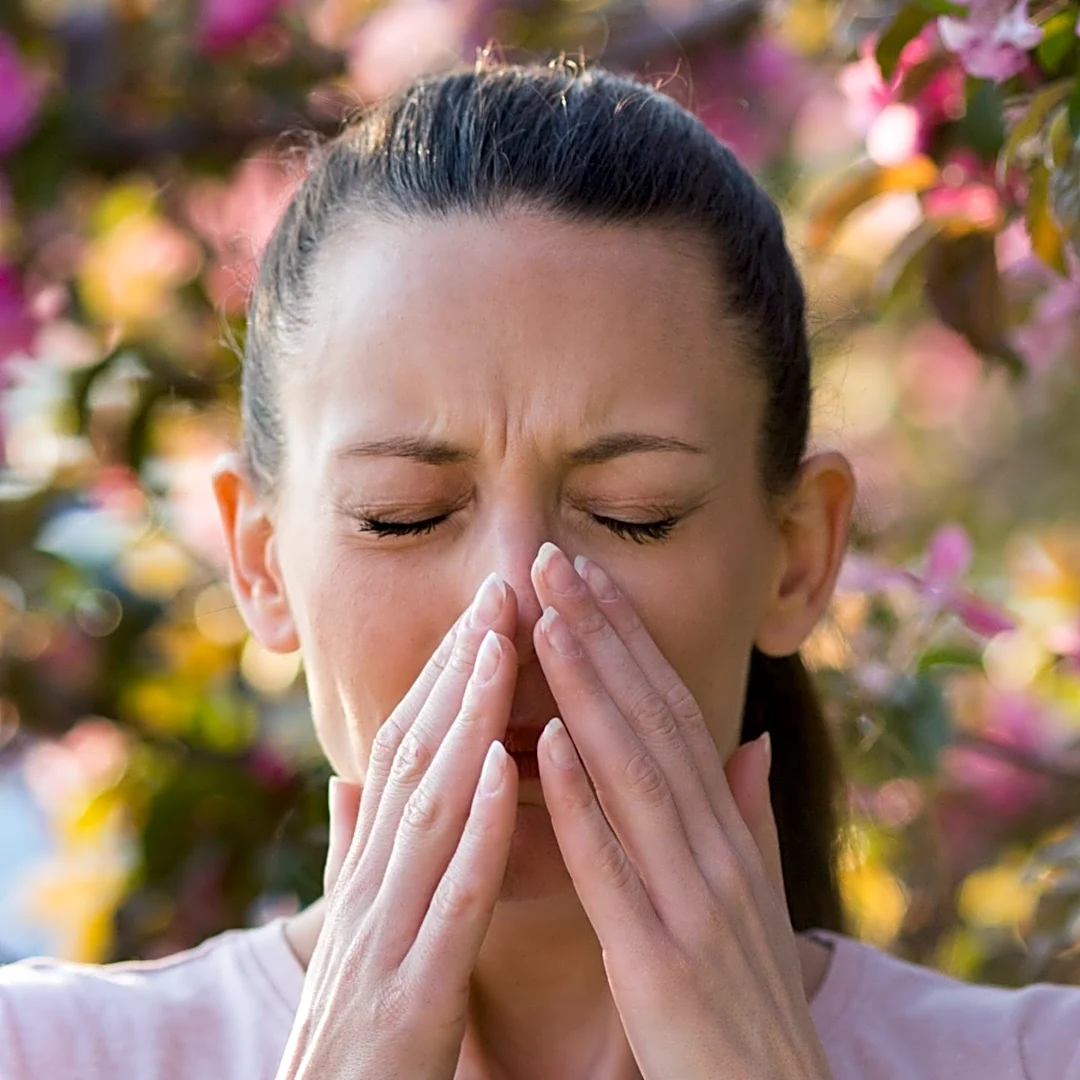
risk of developing food allergies. Food allergies affect an estimated 5 to 10 percent of children, yet the specific environmental factors that either increase or decrease this risk are not well understood. The research team plans to analyze dust samples collected from the homes of infants participating in the SUNBEAM birth cohort, with sample collection beginning even before the infants' birth. They will measure various components in the dust, including food allergens, microbial products, and microbes, to determine if these exposures are linked to the development of food allergies during the first year of life. The project is a collaborative effort led by Johanna Smeekens, PhD, assistant professor of Pediatrics; Tim Moran, MD, PhD, associate professor of Pediatrics; and Julia Rager, PhD, associate professor of Environmental Sciences and Engineering at UNC, in partnership with colleagues from the Icahn School of Medicine at Mount Sinai. This research is specifically supported by the National Institute of Allergy and Infectious Diseases of the NIH.
Why It's Important?
This research is significant because it aims to shed light on the poorly understood environmental factors contributing to food allergies in children, a condition affecting a substantial portion of the pediatric population in the U.S. By identifying specific home exposures that influence allergy risk, the study could pave the way for new prevention strategies. Understanding the role of allergens, microbial products, and microbes in household dust could lead to targeted interventions, such as recommendations for home cleaning practices or environmental modifications, to reduce a child's susceptibility to food allergies. This could have a profound impact on public health, potentially decreasing the prevalence of food allergies and improving the quality of life for affected children and their families. The collaboration between UNC and Mount Sinai, supported by a substantial NIH grant, underscores the national importance and scientific rigor of this investigation, positioning it to contribute significantly to pediatric health and allergy research.
What's Next?
The research team will proceed with the analysis of dust samples collected from the homes of infants in the SUNBEAM birth cohort. Over the next five years, they will meticulously measure food allergens, microbial products, and microbes present in these samples. The primary objective will be to establish correlations between these early-life home exposures and the development of food allergies in infants during their first year of life. The findings from this study are expected to contribute valuable data to the scientific community, potentially leading to updated guidelines or recommendations for parents and healthcare providers regarding allergy prevention. Future steps could involve further clinical trials based on the identified environmental factors to test the efficacy of specific interventions aimed at modifying the home environment to reduce allergy risk. The collaboration with the Icahn School of Medicine at Mount Sinai suggests a broad dissemination of findings and potential for multi-institutional efforts in subsequent research phases.
Beyond the Headlines
Beyond the immediate goal of identifying environmental triggers for food allergies, this research delves into the complex interplay between the early-life microbiome, environmental exposures, and immune system development. The study's focus on microbial products and microbes in household dust highlights a growing understanding of the 'hygiene hypothesis' and the potential benefits of certain microbial exposures in shaping a healthy immune response. If specific beneficial microbial profiles or environmental factors are identified, it could lead to a paradigm shift in how we approach early childhood development and disease prevention, moving beyond simple allergen avoidance to more nuanced strategies that promote immune resilience. This could also raise ethical considerations regarding the extent to which parents should modify their home environments based on research findings, balancing potential benefits with practicalities and unforeseen consequences. The long-term implications could extend to broader public health campaigns aimed at fostering healthier indoor environments for infants.