






What's Happening?
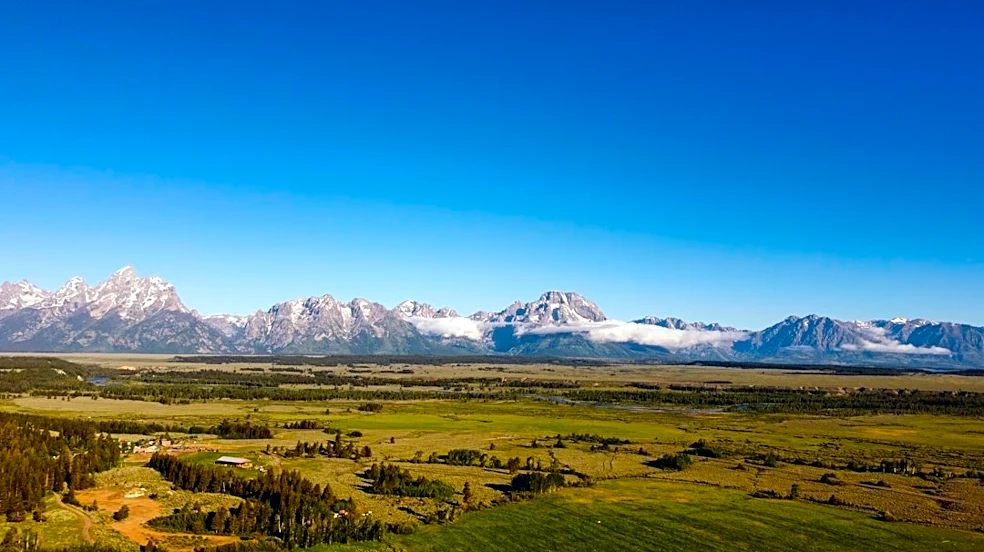
Yellowstone National Park has received an unprecedented $105 million donation from Tallgrass, an energy infrastructure company and Blackstone portfolio company. This gift marks the largest financial contribution in the history of the National Park Service.
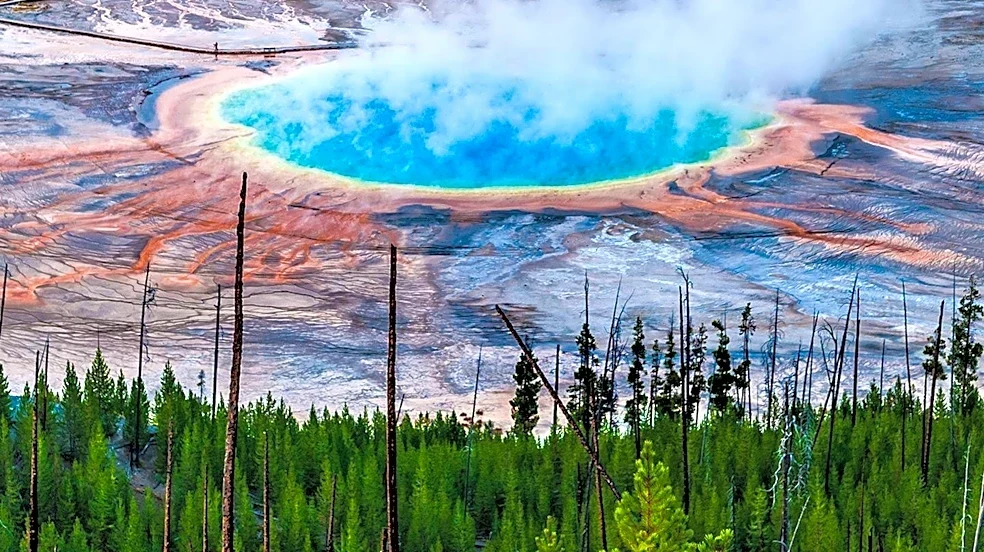
Approximately one-third of the donation is designated for the construction of a new visitor center in the Norris Geyser Basin area, which is the park's third-most visited thermal location. The remaining funds are allocated to enhance park access for Wyoming students, improve infrastructure, and support research and conservation efforts under an initiative named the Tallgrass Wyld Yellowstone Initiative. While the park will ultimately decide how to utilize the funds, the company has stated it will not be involved in the park's spending decisions. This donation follows years of budget constraints, deferred maintenance, and staff reductions within national parks.
Why It's Important?
This historic donation is significant for Yellowstone National Park and the broader National Park Service, addressing critical funding gaps that have led to backlogged improvements and staff cuts. The investment in a new visitor center and other infrastructure will enhance the visitor experience and support the park's conservation mission. The emphasis on improving access for Wyoming students also highlights a commitment to environmental education and fostering future stewards of national parks. However, the donation has also drawn skepticism, with some critics pointing to Tallgrass's pipeline operations and data center projects as potentially contradictory to conservation goals. This raises questions about the role of private funding in public lands and the potential for 'greenwashing' by corporations, even as former park officials emphasize the long-standing tradition of philanthropic support for parks.
What's Next?
The park is expected to proceed with plans for the new visitor center in the Norris Geyser Basin, which will undergo a rigorous regulatory review process, including a federal environmental review, as required for any new construction in national parks. The remaining funds will be directed towards infrastructure improvements, research, conservation, and educational programs for Wyoming students. The park's leadership and board will be responsible for implementing the Tallgrass Wyld Yellowstone Initiative. The donation may also spark further discussion and scrutiny regarding corporate philanthropy in national parks, particularly concerning companies with significant environmental footprints. The National Park Service will likely continue to navigate the balance between accepting large private donations and maintaining public trust and environmental integrity.
Beyond the Headlines
The donation from Tallgrass to Yellowstone National Park highlights a growing trend of private sector involvement in funding public institutions, particularly in areas facing budget shortfalls. While such contributions can provide much-needed resources, they also raise ethical considerations about the influence of corporate donors on public policy and land management. The skepticism expressed by some regarding Tallgrass's environmental record underscores the tension between corporate social responsibility initiatives and core business practices. This event could set a precedent for future large-scale private donations to national parks, potentially influencing how these natural treasures are managed and developed. It also brings to the forefront the ongoing debate about the financial sustainability of national parks and the extent to which they should rely on private funding versus government appropriations.