






What's Happening?
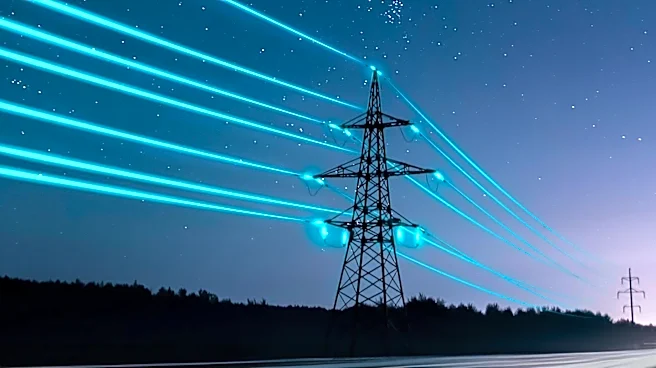
The U.S. Energy Department announced it will invest nearly $2 billion to enhance the nation's aging power grid, aiming to extract more electricity and prevent blackouts. This initiative comes as President Trump's administration addresses the escalating
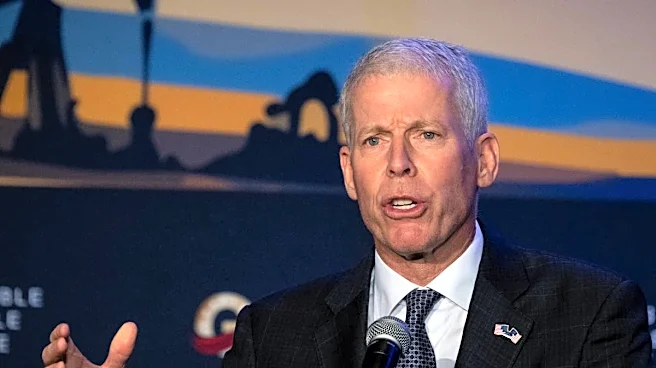
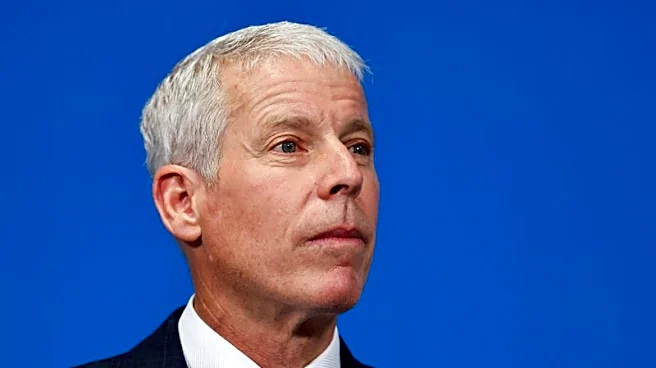
energy demands from artificial intelligence (AI) data centers. The funding will support 31 projects across 26 states, projected to generate over 23 gigawatts of additional electricity capacity, enough to power 16 million homes. These projects will integrate new technologies, such as sensors, to monitor real-time weather conditions, ensuring safe transmission and rerouting power from congested areas. The upgrades are expected to improve power reliability and reduce electricity costs for approximately 100 million Americans. Energy Secretary Chris Wright emphasized that these investments will optimize existing infrastructure, increase electricity flow, and deliver affordable, reliable power for future prosperity. The funding originates from the bipartisan infrastructure law enacted under then-President Joe Biden, with the government's $1.9 billion being matched by $3.35 billion from recipients.
Why It's Important?
This significant investment is crucial for the U.S. as it grapples with an aging power infrastructure and unprecedented energy demands, particularly from the rapidly expanding AI sector. The upgrades are designed to enhance grid efficiency and reliability, directly addressing concerns about potential blackouts and rising electricity costs. For industries heavily reliant on stable power, such as technology and manufacturing, this initiative provides a more secure energy future. For consumers, the promise of lower electricity costs and improved reliability offers tangible economic benefits. The bipartisan nature of the funding source, originating from the Biden administration's infrastructure law and implemented under President Trump, highlights a shared national interest in modernizing critical infrastructure. However, the ongoing debate about data centers' energy consumption and their impact on local communities and the environment remains a critical aspect of this development, influencing public policy and future energy strategies.
What's Next?
The 31 projects funded by this initiative are prioritized for quick implementation, suggesting that tangible improvements to the grid could be seen relatively soon. The Energy Department's focus on new technologies like sensors indicates a move towards a more intelligent and responsive power grid. However, the long-term challenge of balancing the energy needs of rapidly growing sectors like AI with the capacity of the existing grid will persist. President Trump's stated goal to "unleash" the nation's energy sector, including increasing oil and gas production and extending the life of coal-fired power plants, suggests a potential shift in energy policy that could impact the mix of power sources. Furthermore, the administration's efforts to streamline data center development, including a plan from the Environmental Protection Agency to make it harder for the public to comment on proposed AI data centers, indicates a push to accelerate technological expansion, which may face continued public and political scrutiny.
Beyond the Headlines
The Energy Department's investment underscores a critical juncture where technological advancement (AI) is directly challenging existing infrastructure capabilities. The tension between supporting innovation and ensuring sustainable, affordable energy for all citizens is a profound societal issue. The debate surrounding data centers, with President Trump advocating for their economic benefits while many communities express concerns about their energy consumption and environmental impact, highlights a complex policy dilemma. This situation also brings to light the financial incentives within the utility sector, where critics argue that utilities often prefer building new, more expensive infrastructure over implementing efficiency upgrades because it generates more profit. This raises ethical questions about corporate responsibility and the public good in the context of essential services. The long-term implications involve not only technological and economic shifts but also potential changes in environmental regulations and public participation in infrastructure development decisions.