







What's Happening?
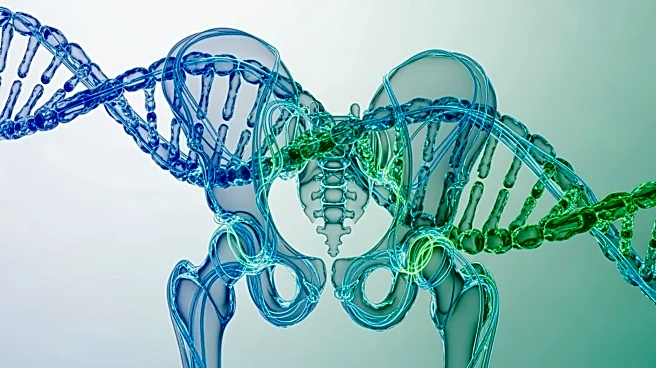
A multiethnic study has identified genetic variants associated with developmental dysplasia of the hip (DDH) and hip osteoarthritis (OA). Researchers found that variations in genes related to collagen and bone formation are linked to DDH, which increases
the risk of hip OA. The study, led by Dr. Ryosuke Yamaguchi and Dr. Chikashi Terao, involved a genome-wide association study (GWAS) using samples from Japan and the UK. The findings suggest potential mechanisms behind DDH and highlight targets for new therapies against hip OA.
Why It's Important?
Understanding the genetic basis of DDH and its link to hip OA could lead to the development of targeted therapies, improving patient outcomes. DDH is a significant risk factor for hip OA, a common and debilitating condition. By identifying specific genetic variants, researchers can better understand the disease's progression and develop interventions to slow or prevent OA in individuals with DDH. This research also underscores the importance of genetic studies in uncovering the underlying causes of complex disorders.
What's Next?
The study's findings pave the way for future research into the genetic and molecular mechanisms of DDH and hip OA. Researchers may focus on integrating genetic data with tissue-specific gene expression to fully elucidate the functional mechanisms underlying these disorders. Such studies could lead to personalized medicine approaches, where treatments are tailored based on an individual's genetic profile. Additionally, the development of new therapies targeting the identified genetic variants could significantly improve the quality of life for patients with DDH and hip OA.