




What's Happening?
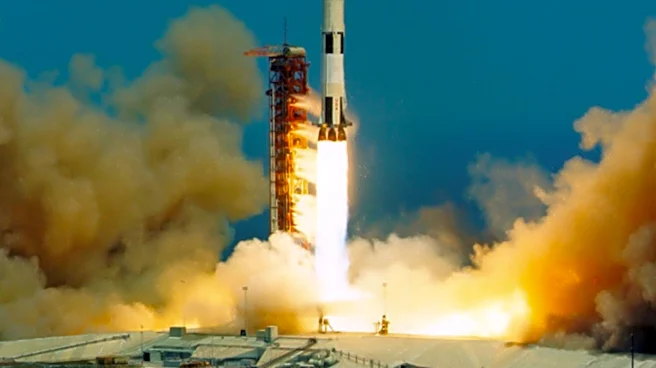
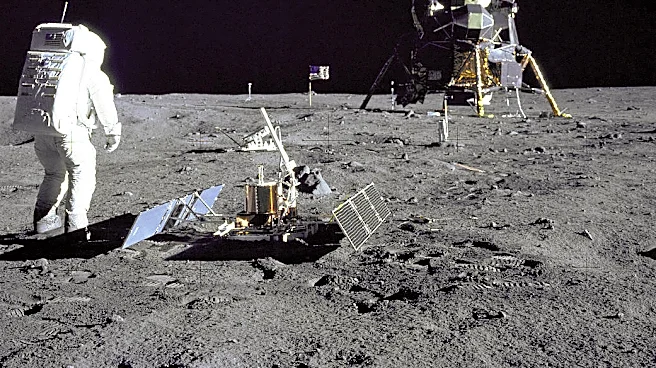
On July 20, 2026, the lunar phase will mirror the exact appearance of the Moon on July 20, 1969, the day of the historic Apollo 11 Moon landing. This alignment is part of a Metonic cycle, a 19-year period after which the phases of the Moon repeat on the same
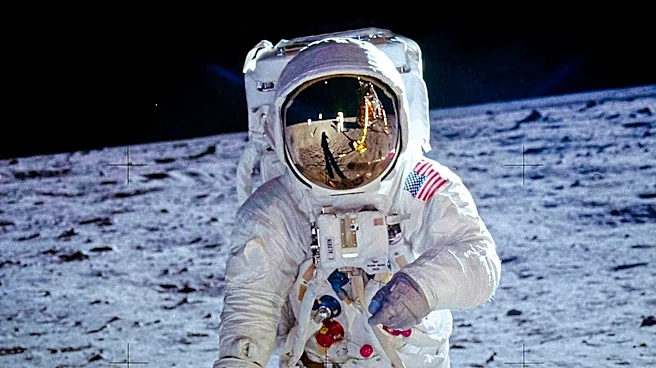
calendar dates. This year marks 57 years, or three Metonic cycles, since the Apollo 11 mission when Neil Armstrong and Buzz Aldrin first set foot on the lunar surface. The event is a significant astronomical occurrence, allowing observers to see the Moon as it appeared during the iconic moment in space exploration history.
Why It's Important?
The alignment of the lunar phase with the Apollo 11 landing date serves as a reminder of the achievements in space exploration and the ongoing interest in lunar and astronomical studies. It highlights the cyclical nature of celestial events and offers a unique opportunity for both amateur and professional astronomers to observe the Moon under similar conditions as those during the historic landing. This event also underscores the importance of the Metonic cycle in astronomy, which is used to predict lunar phases and is significant for calendar calculations. The alignment may inspire renewed interest in lunar exploration and the study of celestial mechanics.
What's Next?
As the lunar phase aligns with the Apollo 11 landing date, astronomers and enthusiasts may use this opportunity to engage in public outreach and educational activities, highlighting the significance of the Apollo missions and the science of lunar cycles. Observatories and astronomy clubs might organize events to observe the Moon and discuss its historical and scientific importance. This alignment could also spark discussions about future lunar missions and the potential for human exploration beyond Earth's orbit, as space agencies continue to plan for new missions to the Moon and beyond.
Beyond the Headlines
The Metonic cycle's role in aligning lunar phases with historical dates like the Apollo 11 landing illustrates the intricate connections between astronomy and human history. This event may prompt reflections on the cultural and scientific impacts of space exploration, as well as the technological advancements that have been made since the first Moon landing. It also highlights the enduring fascination with the Moon and its influence on human culture, from ancient calendars to modern space missions. The alignment serves as a reminder of the potential for future discoveries and the ongoing quest to understand our place in the universe.