





What's Happening?
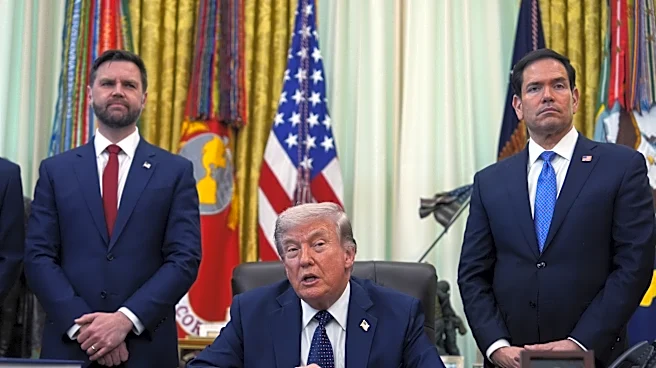
President Trump has announced a three-week extension to the ceasefire between Israel and Lebanon following discussions at the White House with Israeli and Lebanese representatives. This decision comes amid ongoing regional tensions, with Hezbollah recently
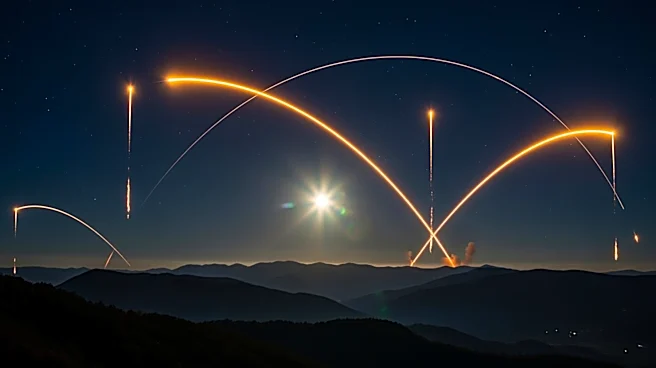
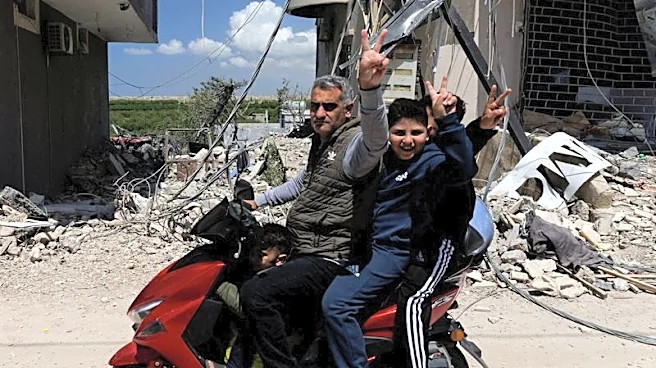
firing rockets at northern Israel, accusing it of violating the ceasefire. The initial 10-day ceasefire was established to provide a temporary halt to hostilities that erupted after Hezbollah retaliated against Israeli and U.S. actions in Iran. Despite the ceasefire, an Israeli strike reportedly killed three people in southern Lebanon, highlighting the fragile nature of the truce. The extension aims to stabilize the border area and potentially pave the way for further negotiations.
Why It's Important?
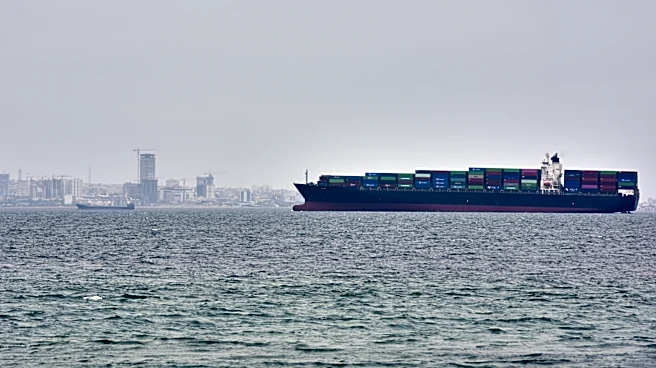
The extension of the ceasefire is significant as it seeks to prevent further escalation in a region already fraught with conflict. The involvement of the U.S., particularly President Trump, underscores the international dimension of the conflict and the potential for broader geopolitical implications. The ceasefire's success or failure could impact U.S. foreign policy in the Middle East, influence relations with Iran, and affect the stability of Lebanon. The situation also has implications for global oil markets, as tensions in the region can lead to fluctuations in oil prices, affecting economies worldwide.
What's Next?
The next steps involve monitoring the ceasefire's adherence and addressing any violations that may occur. The U.S. and other international stakeholders may continue diplomatic efforts to facilitate a more permanent resolution. The situation remains volatile, with potential for renewed hostilities if the ceasefire fails. The international community will likely keep a close watch on developments, particularly any actions by Hezbollah or Israeli military responses. Further negotiations could be influenced by the broader U.S.-Iran relations and regional alliances.