
What's Happening?
Tinnitus, a condition characterized by ringing or buzzing in the ears, affects approximately 10% of the U.S. population, with a higher prevalence among older adults. Susan Bianco, an 87-year-old resident,
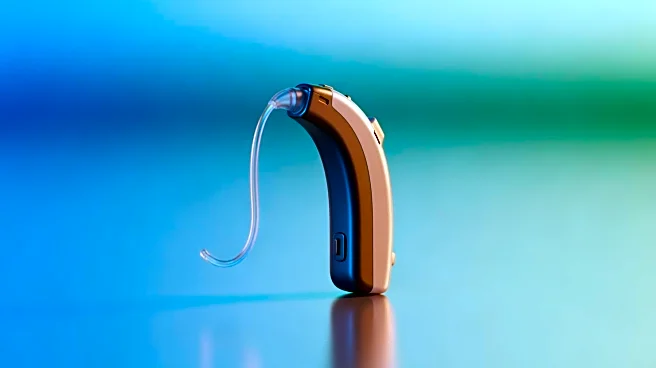
exemplifies the challenges faced by those with tinnitus and hearing loss. She experiences difficulty in social settings and persistent ear noise, which is more noticeable when fatigued. Dr. Jackie Price, an audiologist at Penn State Health, explains that tinnitus often accompanies hearing loss, which occurs when hair cells in the cochlea are damaged. This damage disrupts sound wave conversion into electrical signals, leading to perceived sounds that are not present. Tinnitus Retraining Therapy, combining counseling and sound therapy, is a common treatment to help patients like Bianco manage their symptoms. Bianco's hearing aids now include a soft, constant noise to help her focus away from the tinnitus.
Why It's Important?
The management of tinnitus and hearing loss is crucial as these conditions can significantly impact daily life, affecting sleep, concentration, and social interactions. They are also linked to accelerated cognitive decline, increased depression risk, and higher fall rates. With the aging U.S. population, the prevalence of these conditions is expected to rise, highlighting the need for effective management strategies. Early detection and intervention can mitigate these impacts, improving quality of life for affected individuals. The use of hearing aids and therapies like Tinnitus Retraining Therapy can help manage symptoms, allowing individuals to maintain better communication and social engagement.
What's Next?
As awareness of tinnitus and hearing loss grows, more individuals may seek early evaluation and treatment. Audiologists like Dr. Price advocate for regular hearing tests, especially for those experiencing symptoms. The development of more advanced hearing aids and therapies could further enhance management options. Public health initiatives may focus on prevention, such as promoting the use of hearing protection in noisy environments. Continued research into the underlying causes and treatments of tinnitus and hearing loss will be essential in developing more effective interventions.
Beyond the Headlines
The cultural and social implications of hearing loss and tinnitus are significant, as they can lead to isolation and reduced participation in community activities. Addressing these conditions not only improves individual well-being but also enhances social cohesion. Ethical considerations include ensuring access to affordable hearing care and support services, particularly for vulnerable populations. Long-term, advancements in auditory technology and increased public awareness could shift societal attitudes towards hearing health, reducing stigma and encouraging proactive management.