





What's Happening?
The Horn of Africa, comprising countries like Somalia and Djibouti, has deep-rooted Islamic traditions dating back to the 7th century. The region's Islamic heritage is marked by historical sites such as the Masjid al-Qiblatayn in Zeila, Somalia, which
is believed to have been built shortly after the arrival of the first Muslims. Today, Somalia is predominantly Sunni Muslim, with Islam playing a central role in its cultural and political identity. Djibouti also has a significant Muslim population, with Islam being a key component of its national identity since independence.
Why It's Important?
Islam's influence in the Horn of Africa is significant, shaping the region's cultural, social, and political landscapes. The religion's deep roots contribute to the region's identity and cohesion, influencing everything from legal systems to daily life. The predominance of Islam also affects regional geopolitics, as countries in the Horn navigate relationships with both Muslim-majority and non-Muslim nations. Understanding the role of Islam in the Horn of Africa is crucial for comprehending the region's dynamics and the challenges it faces, including issues related to governance, development, and international relations.
Beyond the Headlines
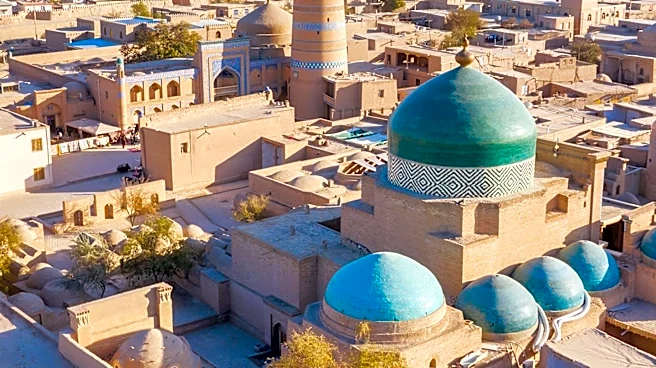
The historical spread of Islam in the Horn of Africa highlights the region's role as a crossroads of cultures and civilizations. The presence of ancient mosques and Islamic states underscores the long-standing connections between Africa and the broader Muslim world. This historical context is essential for understanding contemporary issues in the region, such as religious tolerance, cultural preservation, and the impact of external influences. The Horn of Africa's Islamic heritage also offers opportunities for cultural tourism and educational exchanges, which can foster greater understanding and cooperation between different cultures and regions.