





What's Happening?
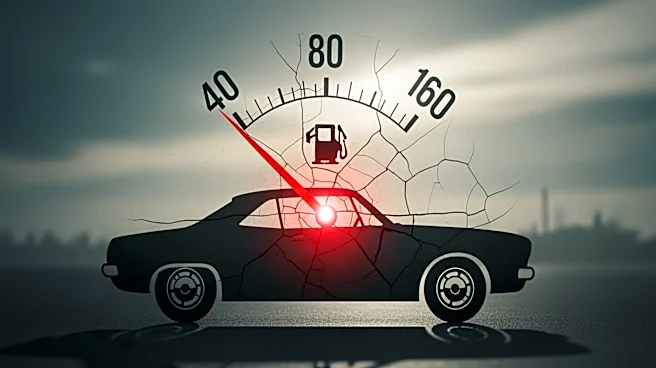
Cuba is experiencing a severe fuel crisis, exacerbated by a U.S. energy blockade, which has left many of the island's iconic vintage American cars, known as 'almendrones,' idle. These cars, which serve as shared taxis, are a symbol of Cuban ingenuity
and resilience. The fuel shortages have been ongoing since January, with Cuban officials attributing the crisis to tightened U.S. sanctions under President Trump's administration. These sanctions have further complicated Cuba's ability to secure fuel supplies, as the U.S. has threatened tariffs on countries that sell or transport oil to Cuba. The crisis has led to long lines at gas stations and a reliance on a government reservation app for fuel distribution.
Why It's Important?
The fuel crisis in Cuba highlights the broader impact of U.S. foreign policy and sanctions on the island's economy and daily life. The shortage of fuel not only affects transportation but also has significant implications for the livelihoods of those who depend on these vintage cars for income. The situation underscores the challenges faced by countries under economic sanctions and the resilience required to adapt to such conditions. The crisis also raises questions about the effectiveness and humanitarian impact of sanctions as a tool of foreign policy, particularly in terms of their effects on ordinary citizens.
What's Next?
Cuba may continue to seek alternative fuel sources and explore ways to mitigate the impact of the U.S. blockade. The government might increase efforts to promote renewable energy solutions, such as solar-powered charging stations for electric vehicles, as a long-term strategy to reduce dependency on imported fuel. The international community may also respond, with some countries potentially offering support or seeking diplomatic solutions to ease the crisis. The ongoing situation could influence future U.S.-Cuba relations and discussions on the use of economic sanctions.