






What's Happening?
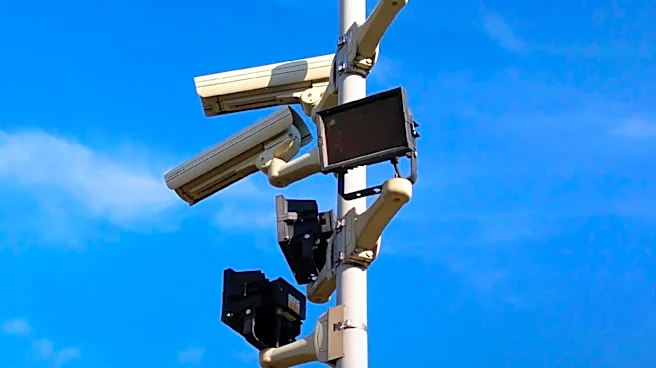
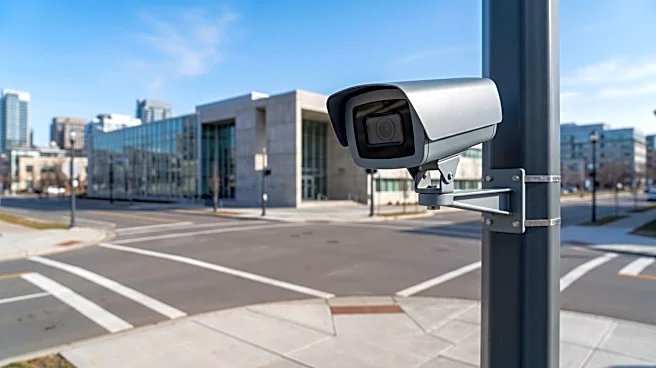
Several law enforcement agencies are facing scrutiny over the alleged misuse of Flock camera systems, which utilize automatic license plate recognition (ALPR) technology. West Chicago announced a review of its Flock camera system after an officer was
suspected of using it for an "unauthorized purpose." Similarly, an officer in Itasca lost their job due to alleged misuse of the technology. Former Holiday Hills police Chief and Prairie Grove Officer William Copp reportedly conducted hundreds of unauthorized searches using ALPR technology, targeting former partners and other acquaintances. The Washington Post reported that at least 50 law enforcement officers have been charged or accused of leveraging ALPRs without authorization, sometimes to stalk women. This growing list of abuses has raised significant privacy concerns among the public. While proponents argue that ALPR technology aids in solving crimes by tracking vehicle movements, critics highlight the extensive surveillance of innocent individuals.
Why It's Important?
The widespread misuse of ALPR technology by law enforcement has profound implications for individual privacy and civil liberties in the U.S. The ability of officers to access and search vehicle movement data without proper authorization creates a significant risk of abuse, as demonstrated by cases of stalking and unauthorized surveillance. This erodes public trust in law enforcement and raises questions about accountability and oversight of powerful surveillance tools. Unlike targeted crime detection systems, ALPR technology indiscriminately collects data on the movements of all vehicles, creating a comprehensive visual record of citizens' daily lives. This broad surveillance, even if data is eventually deleted, can be used to build searchable histories of innocent Americans, fundamentally altering the relationship between citizens and the state. The involvement of private companies like Flock and Motorola Solutions in providing these surveillance services further complicates the issue, raising concerns about data sharing and the commercialization of public safety.
What's Next?
In response to the growing concerns, some municipalities, including Oak Park and Evanston, have decided to terminate their contracts with Flock. Homer Glen has suspended its program following reports of a Will County sheriff’s deputy's alleged misuse of the software. Rolling Meadows' City Council is also considering ending its contract due to concerns over data sharing. These actions suggest a trend of re-evaluating the use of ALPR technology at the local level. There is a call for better safeguards and a rethinking of Flock's implementation to prevent further abuses. The debate is likely to continue, with discussions focusing on the balance between public safety and individual privacy, the need for stricter regulations on data access and retention, and enhanced oversight mechanisms for law enforcement's use of surveillance technologies. The issue has also brought together unlikely political allies, indicating its broad appeal across the political spectrum.
Beyond the Headlines
The controversy surrounding Flock cameras delves into the ethical and philosophical implications of a surveillance society. The argument that cameras "capture what anyone could already see standing on the street" is challenged by the fact that AI-powered systems create permanent, searchable records that human observation cannot replicate. This shift from transient observation to persistent data collection fundamentally changes the nature of privacy. The "Big Brother" analogy is increasingly relevant as technology allows for unprecedented levels of government and corporate monitoring. The reliance on private companies for public safety infrastructure also raises questions about democratic control over surveillance capabilities and the potential for profit motives to influence policy. This situation forces a critical examination of how much surveillance society is willing to accept in the name of security and whether the current safeguards are adequate to protect fundamental rights in an increasingly digitized world.