


What's Happening?
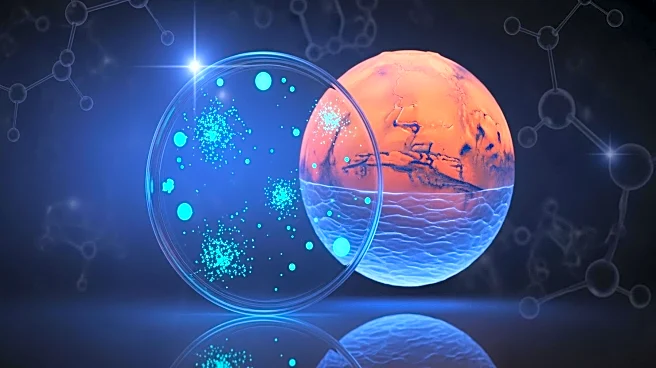
The latest edition of Science Saturday covers a range of scientific discoveries and studies. Notably, microbes sent to the International Space Station have shown mutations that could help combat drug-resistant infections on Earth. Researchers found that space
conditions alter the interaction between bacteria and phages, potentially offering new treatments for urinary tract infections. Additionally, a study on Mars suggests that ancient lakes could have existed under thin ice layers, providing insights into the planet's water history. Another significant report compares ultra-processed foods to cigarettes, suggesting they should be regulated due to their addictive nature and health impacts.
Why It's Important?
These scientific findings have broad implications for health, space exploration, and environmental policy. The space microbes study could lead to breakthroughs in treating antibiotic-resistant infections, a growing public health concern. Understanding Mars' water history is crucial for future exploration and the search for life. The comparison of ultra-processed foods to cigarettes highlights the need for stricter regulations to address public health issues related to diet and nutrition. These studies underscore the interconnectedness of scientific research and its potential to inform policy and improve quality of life.
What's Next?
Future research will likely focus on further exploring the potential of phage therapy as an alternative to antibiotics, especially in space environments. Mars exploration missions may incorporate these new findings to refine strategies for detecting water and life. The debate over regulating ultra-processed foods is expected to intensify, with potential policy changes aimed at reducing consumption and improving public health. These developments will require collaboration between scientists, policymakers, and industry stakeholders to address the challenges and opportunities presented by these findings.
Beyond the Headlines
The implications of these studies extend beyond immediate scientific and health concerns. They raise ethical questions about the regulation of food products and the responsibility of industries in promoting public health. The space research highlights the potential for international collaboration in addressing global health challenges. Additionally, the Mars study contributes to the broader understanding of planetary science and the potential for life beyond Earth, inspiring future generations of scientists and explorers.