




What's Happening?
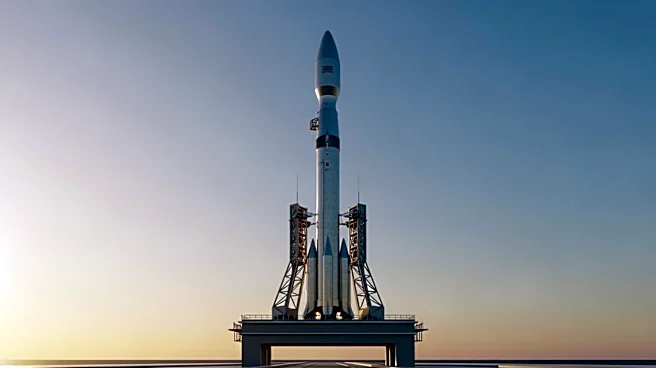
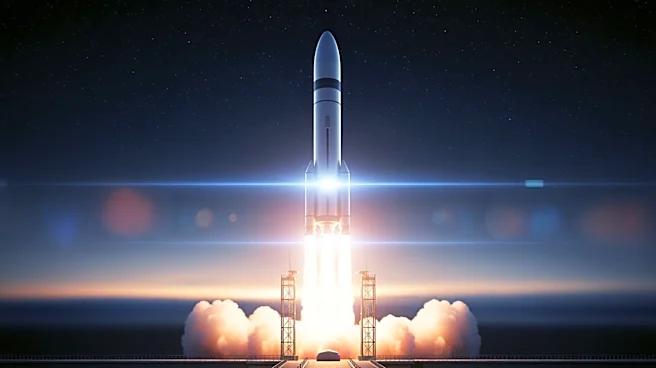
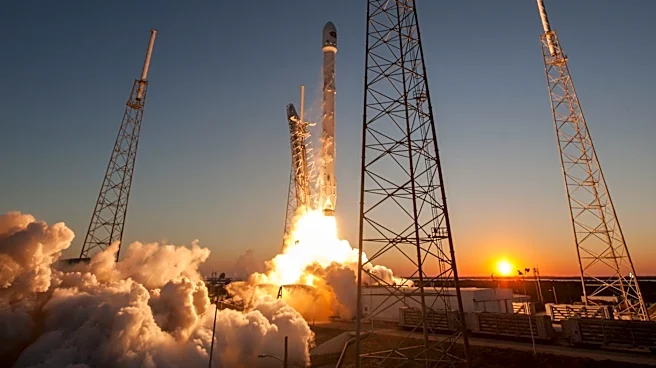
The SpaceX Falcon 9 rocket successfully launched the Dragon cargo spacecraft from Cape Canaveral Space Force Station in Florida on May 15, 2026. This mission marks the 34th commercial resupply mission under NASA's contract with SpaceX. The Dragon spacecraft is carrying
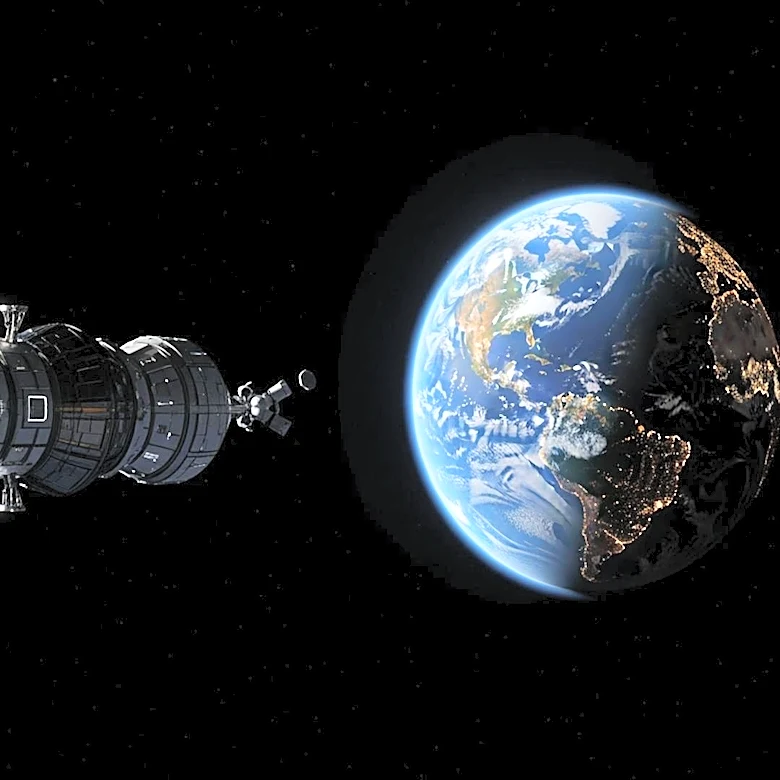
nearly 6,500 pounds of cargo, including scientific experiments and equipment, to the International Space Station (ISS). The cargo includes a project to test Earth-based simulators in microgravity, a bone scaffold for osteoporosis research, and instruments to study charged particles around Earth. The spacecraft is scheduled to autonomously dock with the ISS on May 17, 2026, and will remain there until mid-June before returning to Earth with research and cargo.
Why It's Important?
This mission is crucial for ongoing scientific research and technological advancements conducted aboard the ISS. The experiments carried by the Dragon spacecraft have the potential to enhance our understanding of microgravity's effects on biological and physical processes, which is vital for future long-duration space missions. The research could lead to breakthroughs in medical treatments for conditions like osteoporosis and provide insights into planetary formation. Additionally, the mission supports NASA's goals of expanding commercial opportunities in low Earth orbit and preparing for future missions to the Moon and Mars under the Artemis program.
What's Next?
Following the successful docking of the Dragon spacecraft, the ISS crew will begin conducting the scientific experiments delivered. The results of these experiments will contribute to NASA's broader research objectives and may influence future space exploration strategies. The Dragon spacecraft's return to Earth in mid-June will bring back time-sensitive research and cargo, furthering the cycle of scientific discovery and innovation.