


What's Happening?
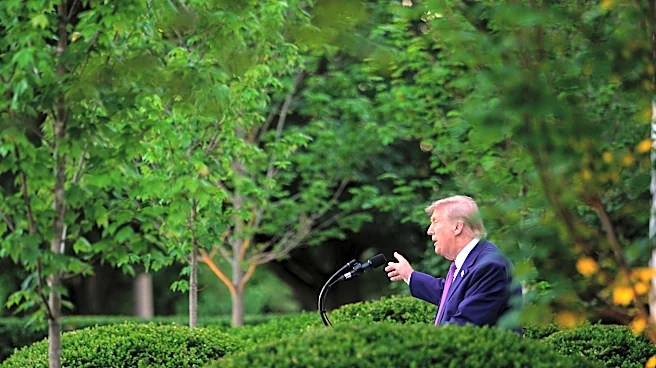
As Cuba's Independence Day approaches, President Trump has intensified his stance against the Cuban government by expanding sanctions, citing the country as an extraordinary threat to national security. This move is part of a broader strategy to pressure
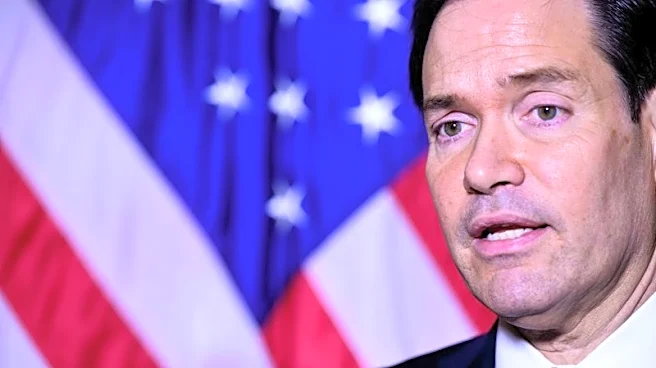
the Cuban regime, which has been in power for 67 years, to transition towards democracy. The administration's actions have left the Cuban government in a state of panic, as noted by commentators. Secretary of State Marco Rubio has also voiced strong support for these measures, indicating a coordinated effort by the U.S. to support potential democratic changes in Cuba.
Why It's Important?
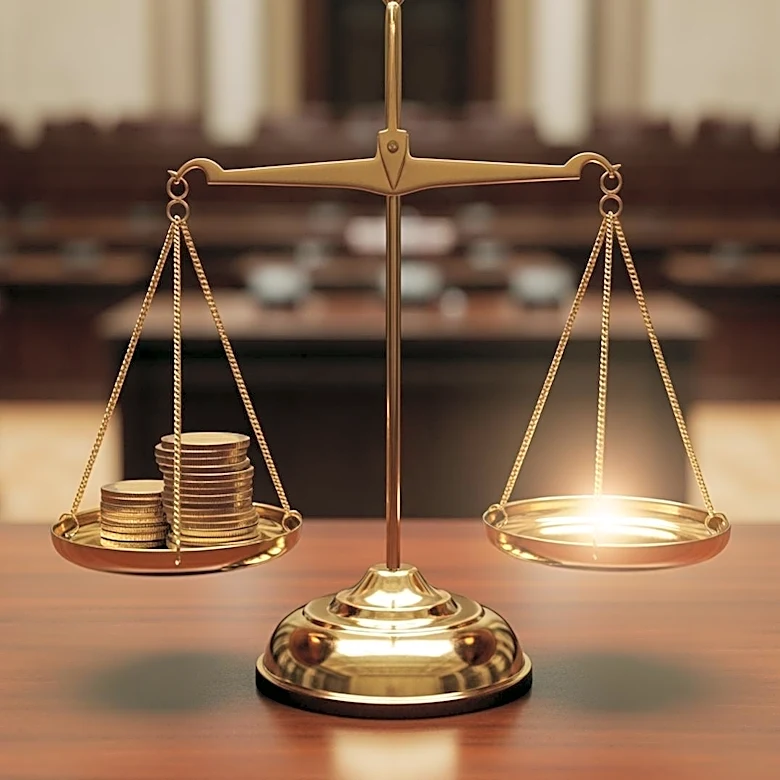
The expansion of sanctions on Cuba by the U.S. government is a significant geopolitical move that could have far-reaching implications for U.S.-Cuba relations and the broader region. By increasing pressure on the Cuban government, the U.S. aims to encourage democratic reforms and potentially end decades of communist rule. This could lead to a shift in the political landscape of the Caribbean, affecting trade, migration, and regional stability. For the U.S., it represents a strategic effort to promote democracy and human rights in its neighboring regions, aligning with broader foreign policy goals.
What's Next?
The coming weeks may see increased diplomatic activity as the U.S. continues to apply pressure on Cuba. The international community will be watching closely to see how the Cuban government responds to these sanctions and whether any internal changes occur. Additionally, there may be reactions from other countries in the region, either in support of or opposition to the U.S. actions. The situation could also lead to discussions within the U.S. about the effectiveness and ethical implications of using sanctions as a tool for political change.