



What's Happening?
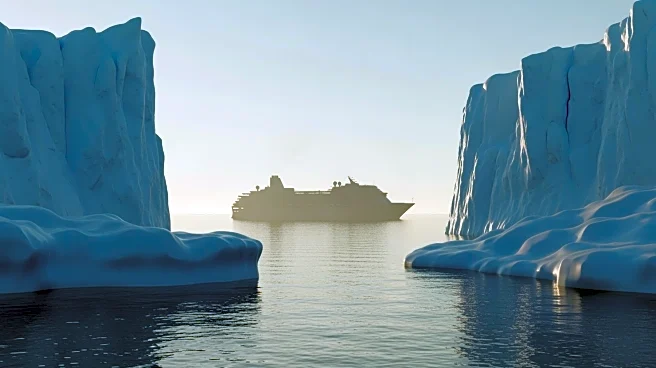
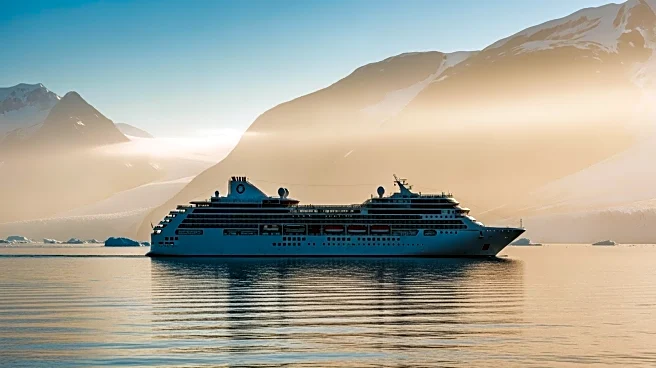
Several major cruise lines are expanding their offerings to include Alaska sailings in 2026, responding to high demand for cruises to the region. MSC Cruises will launch its first Alaska sailings aboard MSC Poesia, while Virgin Voyages will debut its inaugural
Alaska cruises with the Brilliant Lady. The Ritz-Carlton Yacht Collection will also introduce its first Alaska cruises on the Luminara vessel. These additions join other operators like Holland America Line and Princess Cruises, highlighting the growing popularity of Alaska as a cruise destination.
Why It's Important?
The expansion of Alaska sailings by major cruise lines underscores the region's appeal as a prime destination for cruise travelers. This growth is significant for the U.S. tourism industry, as it could boost local economies in Alaska through increased visitor spending. The high demand for Alaska cruises reflects a broader trend of travelers seeking unique and immersive experiences, which could influence future cruise offerings and itineraries. For the cruise industry, this expansion represents an opportunity to capture a larger share of the market and enhance their competitive positioning.
What's Next?
As cruise lines prepare for the upcoming Alaska season, travelers can expect a variety of new itineraries and experiences. The cruise season typically runs from April to October, with peak wildlife viewing occurring between June and August. Travelers may find less crowded ships and ports by visiting earlier or later in the season. Cruise lines will likely continue to innovate and enhance their offerings to attract more passengers, potentially introducing new amenities and excursions tailored to the unique Alaskan environment.
Beyond the Headlines
The increased popularity of Alaska cruises raises concerns about the environmental impact of tourism on the region's natural landscapes and wildlife. Cruise lines may face pressure to adopt more sustainable practices to minimize their ecological footprint. Additionally, the influx of tourists could strain local resources and infrastructure, prompting discussions about how to balance economic benefits with environmental preservation. The industry's response to these challenges will be critical in shaping the future of sustainable tourism in Alaska.