

What's Happening?
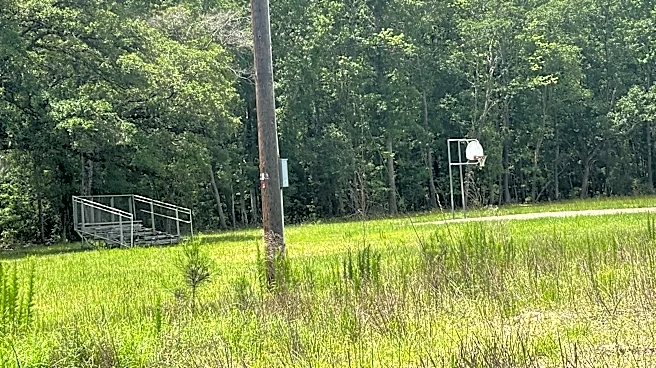
The Birmingham City Council has approved an agreement to renovate a wooden pedestrian bridge over Valley Creek. This bridge connects the residential area along Blocton Avenue and Sugar Ray Drive to the Roosevelt City Recreation Center. The current bridge,
built in the late 1990s, has deteriorated, necessitating repairs. An interlocal agreement with Jefferson County was required because a portion of the site extends into unincorporated land outside city limits. Council President Wardine Alexander, whose district includes the bridge, expressed excitement about the long-awaited repairs, highlighting its importance for community access. In other business, the council also approved zoning changes related to the Pratt-Ensley Framework Plan after a public hearing. This plan is one of nine developed under the city’s 2013 Comprehensive Plan, aiming to guide Birmingham’s future growth, investments, and neighborhood revitalization. Additionally, an intergovernmental agreement was approved, allowing the city of Mountain Brook to install a sculpture in a public roundabout on Cahaba Road, near the Birmingham Zoo, with Mountain Brook responsible for its maintenance.
Why It's Important?
The approval of repairs for the Village Creek pedestrian bridge is significant for the local community, restoring a vital connection for residents to the Roosevelt City Recreation Center. This infrastructure improvement directly impacts daily life, enhancing accessibility and promoting community engagement. The deterioration of such public amenities can isolate neighborhoods, and their repair signifies a commitment to urban connectivity and resident well-being. The approval of the Pratt-Ensley rezoning plan is crucial for Birmingham's long-term urban development. As part of the city's Comprehensive Plan, these framework plans are designed to strategically guide growth, attract investments, and revitalize neighborhoods. This systematic approach to urban planning aims to foster sustainable development and improve the quality of life across different areas of the city. The collaboration with Mountain Brook for the sculpture installation also demonstrates inter-city cooperation on public beautification projects, contributing to the aesthetic and cultural landscape of the region.
What's Next?
Following the approval, the next steps will involve the implementation of the agreement for the Village Creek pedestrian bridge repairs. This will likely include detailed planning, contractor selection, and the commencement of construction work. Residents can anticipate the restoration of full access to the bridge in the coming months. For the Pratt-Ensley Framework Plan, the approved zoning changes will pave the way for future development and revitalization efforts in that area, aligning with the city's broader growth strategy. The city also has a public hearing scheduled for October 20 for the Southern Area Framework Plan, which will involve communities like Crestline, Crestwood, and Red Mountain, indicating ongoing efforts in comprehensive urban planning. Regarding the sculpture in the Cahaba Road roundabout, Mountain Brook officials are expected to provide a final rendering for approval by Birmingham officials before installation proceeds, with Mountain Brook responsible for its ongoing maintenance.
Beyond the Headlines
The repair of the Village Creek pedestrian bridge and the approval of the Pratt-Ensley rezoning plan underscore a broader commitment to infrastructure and urban planning in Birmingham. These actions reflect a strategic effort to address historical underinvestment in certain areas and to proactively shape the city's future. The emphasis on framework plans, such as the Pratt-Ensley and upcoming Southern Area plans, suggests a shift towards more integrated and community-focused development. This approach aims to ensure that growth benefits all residents, fostering equitable access to resources and opportunities. The interlocal and intergovernmental agreements highlight the complexities of urban governance, where collaboration between different jurisdictions is often necessary to achieve common goals. These initiatives, while seemingly localized, contribute to the overall resilience and attractiveness of Birmingham as a metropolitan area, potentially influencing economic development and social cohesion in the long run.