


What's Happening?
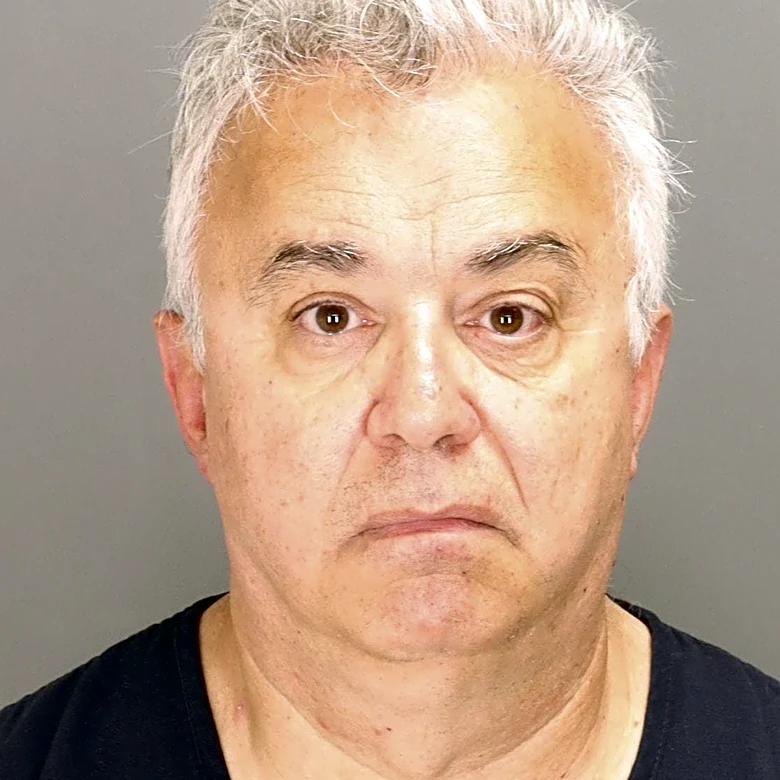
A grand jury has decided not to indict Christopher Gillum, a former Chapel Hill police officer, who was accused of potentially planning a mass shooting during the New Orleans Jazz & Heritage Festival. Gillum was arrested in Florida in April with a handgun
and hundreds of rounds of ammunition. The decision not to pursue charges was influenced by jurisdictional issues and a lack of direct evidence indicating an intent to commit a crime in Louisiana. The alleged threat was communicated in North Carolina, and Gillum was apprehended in Florida, never having entered Louisiana until after his arrest. Authorities had speculated that Gillum might have been targeting the festival, but statements he made to family members were deemed vague and did not explicitly indicate a plan to commit a crime in Louisiana.
Why It's Important?
The grand jury's decision highlights the complexities involved in prosecuting potential threats that cross state lines. Jurisdictional challenges can impede legal proceedings, especially when alleged threats are communicated in one state, and the suspect is apprehended in another. This case underscores the importance of clear evidence and jurisdictional clarity in pursuing charges for potential threats. The decision also raises questions about the effectiveness of current legal frameworks in addressing and preventing potential mass shootings, a significant concern in the U.S. The outcome may influence how law enforcement agencies coordinate across state lines in future cases involving potential threats to public safety.
What's Next?
Following the grand jury's decision, Christopher Gillum has been released from custody. It is reported that his family has taken him to an out-of-state treatment facility. There are no charges pending against him in other jurisdictions at this time. The case may prompt discussions among law enforcement and legal experts about improving coordination and evidence-gathering in cases involving potential threats across multiple states. Additionally, there may be calls for legislative changes to address jurisdictional issues that complicate the prosecution of such cases.