




What's Happening?
A thermal imaging drone operated by the Kilgore Fire Department successfully located an elderly woman with Alzheimer's disease who had gone missing in northern Rusk County, Texas. The woman had walked away from a residence and was missing for approximately
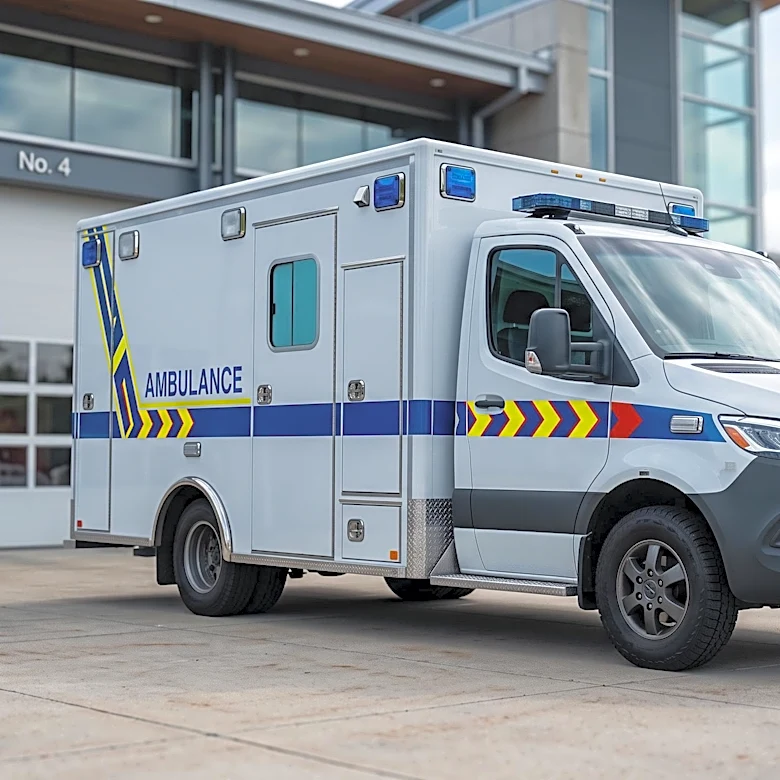
1.5 to 2 hours before emergency responders were called to the area of County Roads 2126 and 2126A. Kilgore Fire Marshal Terry Linder deployed the department's drone to assist ground search efforts by the Rusk County Sheriff’s Office and Elderville-Lakeport personnel. After about 90 minutes of searching, the drone identified the woman at an oil lease site, roughly three-quarters of a mile from her residence. Her location was relayed to sheriff’s deputies, who then transported her to an ambulance for medical evaluation by Christus EMS personnel.
Why It's Important?
This incident highlights the critical role of advanced technology, specifically thermal imaging drones, in search and rescue operations, particularly for vulnerable populations. The Elderville-Lakeport Fire Department credited the Kilgore Fire Department's equipment with enabling responders to efficiently search a large area and detect heat signatures, which is invaluable when a missing person may be disoriented or unable to call for help. The successful deployment of this technology likely prevented a potentially tragic outcome, as officials stated that "Without access to this vital resource, the outcome of this incident could have been significantly different." This demonstrates how technological integration can enhance public safety and emergency response capabilities, offering a more effective and rapid solution in time-sensitive situations.
What's Next?
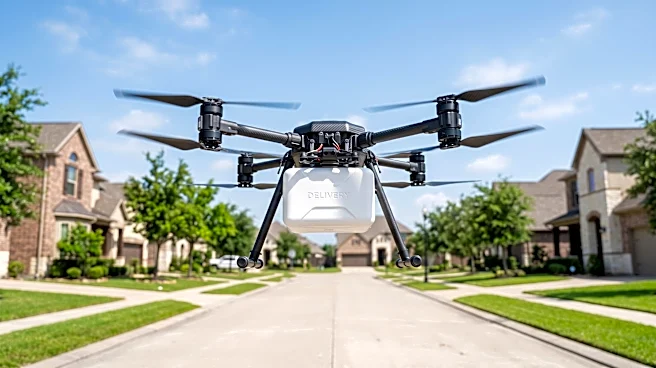
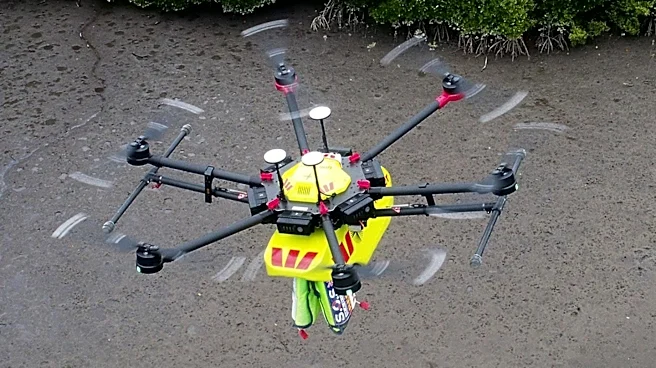
The Kilgore Fire Department currently operates two multi-mission drones for various public safety operations, including fire suppression, fire investigations, and search and rescue. The successful use of the thermal imaging drone in this case may encourage other fire departments and emergency services across the U.S. to invest in similar technologies. This could lead to broader adoption of drones for search and rescue, potentially improving response times and success rates in locating missing individuals, especially those with medical conditions that make them particularly vulnerable. Continued training and integration of these advanced tools into standard operating procedures will be crucial for maximizing their effectiveness in future emergencies.
Beyond the Headlines
The deployment of thermal imaging drones in search and rescue operations raises broader discussions about the ethical implications and privacy concerns associated with surveillance technology, even when used for benevolent purposes. While the immediate benefit of saving a life is clear, the increasing use of drones by public safety agencies could lead to questions about data retention, public oversight, and the potential for mission creep. Furthermore, the cost of acquiring and maintaining such advanced equipment could create disparities in capabilities between well-funded and under-resourced departments, potentially impacting equitable access to life-saving technology across different communities. Balancing technological advancement with public trust and privacy protections will be an ongoing challenge.