




What's Happening?
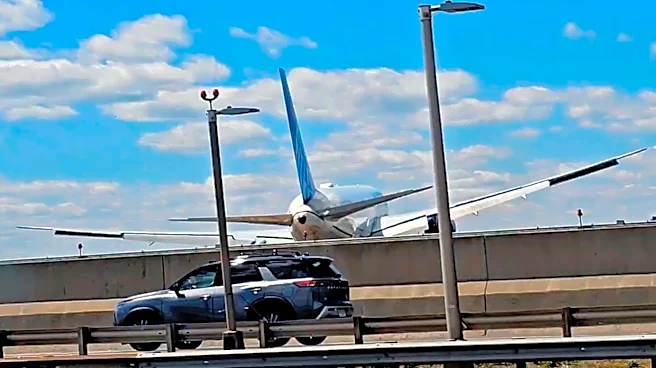
The National Transportation Safety Board (NTSB) is investigating an incident involving a United Airlines flight that struck a light pole while landing at Newark Liberty International Airport. The incident occurred on May 3, when United Flight 169, arriving
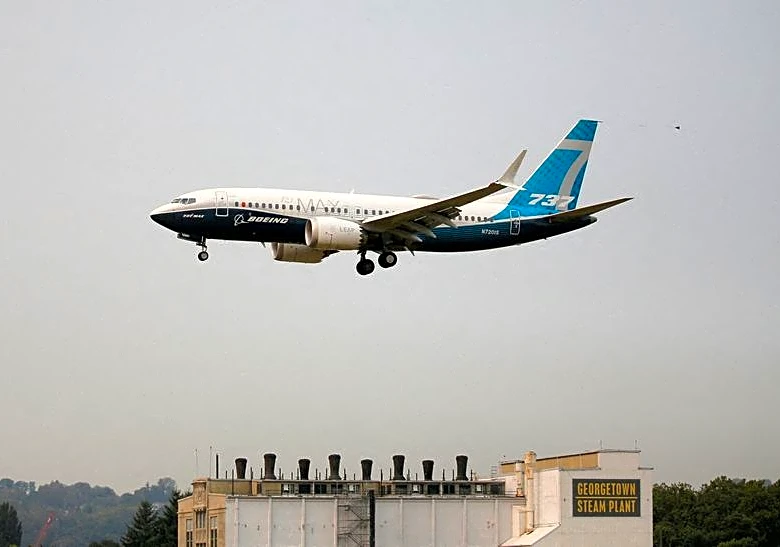
from Venice, Italy, encountered issues during its approach. The first officer on board warned the captain that the aircraft was 'slow and a little low' as they neared the runway. Despite this warning, the information was not processed quickly enough to abort the landing. The collision with the light pole resulted in minor injuries to a tractor-trailer driver due to debris, but no injuries were reported among the 231 passengers and crew. The aircraft, a Boeing 767-400, sustained significant damage. The NTSB's preliminary report indicates that the flight crew faced multiple changes to their flight plan, including a switch in aircraft type and runway assignments, which may have contributed to the incident.
Why It's Important?
This investigation highlights critical safety concerns in aviation, particularly regarding communication and decision-making processes in the cockpit. The incident underscores the importance of effective crew coordination and the ability to adapt to changing flight conditions. The findings could lead to recommendations for improving pilot training and procedures, potentially impacting airline operations and safety protocols across the industry. The incident also raises questions about airport infrastructure and the management of flight operations, especially in busy airports like Newark, which could influence future policy and regulatory changes.
What's Next?
The NTSB will continue its investigation to determine the root causes of the incident. This may involve further analysis of flight data, crew interviews, and examination of airport operations. The outcome of the investigation could lead to new safety recommendations or regulatory changes aimed at preventing similar incidents. Airlines and airport authorities will likely review their current procedures and training programs in response to the findings, potentially leading to industry-wide changes in safety practices.