






What's Happening?
Survivors of a deadly attack in Kuwait are challenging Defense Secretary Pete Hegseth's account of the incident, which resulted in the deaths of six U.S. service members. Hegseth described the March 1 strike as a 'squirter' that bypassed defenses, but
soldiers on the ground claim they were unprepared and exposed. They argue that the location was not fortified as stated and that intelligence had indicated it was a potential target. The soldiers' testimonies contradict the official narrative, raising questions about the preparedness and safety measures in place during the operation.
Why It's Important?
The conflicting accounts highlight potential gaps in military communication and preparedness, which could have serious implications for U.S. military operations abroad. If the soldiers' claims are accurate, it suggests a need for reassessment of defense strategies and protocols to ensure the safety of personnel. The incident also underscores the challenges of maintaining accurate and transparent communication between military leadership and troops, which is crucial for operational success and morale. The ongoing investigation may lead to policy changes or accountability measures within the Department of Defense.
What's Next?
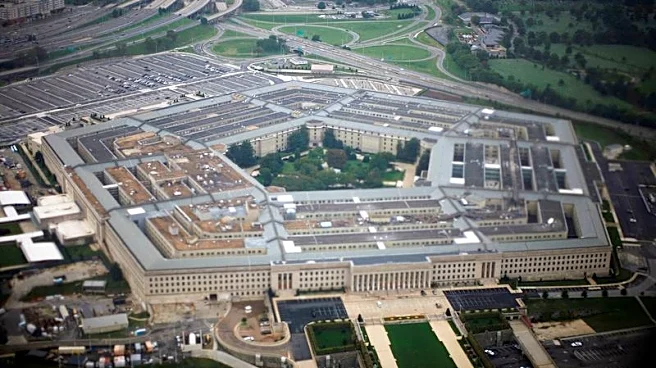
An active investigation by the Pentagon is underway to determine the facts surrounding the strike. The findings could lead to changes in military strategy and defense protocols to prevent similar incidents. There may also be increased scrutiny from lawmakers and the public regarding military operations and the safety of service members. The outcome of the investigation could influence future military engagements and the U.S.'s approach to conflict zones.