






What's Happening?
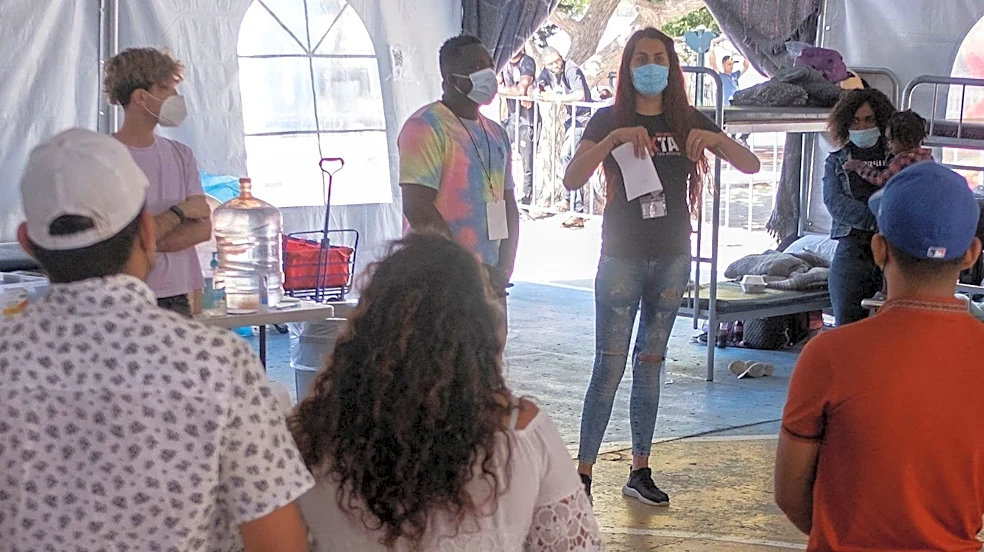
A recent community event in East Boston, organized by researchers from Boston University’s Initiative on Cities, focused on the historical and ongoing impacts of a school closure and subsequent gentrification in the neighborhood. The event brought together
over 25 community members to discuss the 2011 merger of the Dante Alighieri elementary school with the Umana, driven by Boston Public Schools budget cuts, and its 2014 reopening as the district’s first public Montessori school. The discussion highlighted how these changes at the school reflect broader neighborhood transformations, including significant investment, rising housing costs, and demographic shifts. Former students, such as Kimberly Landaverde Guillen and Anna Zhou, shared emotional testimonies about the lasting grief, injustice, and powerlessness they felt due to the closure, even 15 years later. Attendees also expressed feelings of exclusion from the Boston Public Schools decision-making process and the challenges parents faced in navigating the school choice system and helping their children adjust to new schools.
Why It's Important?
This event underscores the profound social and emotional impact of urban development and policy decisions on long-standing communities. The closure and subsequent transformation of the Dante Alighieri school serve as a microcosm of gentrification's effects, where changes in educational institutions are intrinsically linked to broader socio-economic shifts. For U.S. society, this highlights how public school decisions, often made at a district level, can exacerbate feelings of displacement and disenfranchisement among residents, particularly in areas experiencing rapid gentrification. The community's shared experiences of grief and powerlessness reveal a critical need for more inclusive and transparent decision-making processes in urban planning and education. The event also brings to light the challenges faced by families in adapting to new educational landscapes and the potential loss of community identity when local institutions undergo significant changes.
What's Next?
The researchers involved in this project plan to submit their findings to academic journals for peer review, which could contribute to a broader understanding of gentrification's impact on urban communities and educational systems. The event also generated recommendations for more equitable approaches to future school closures and major school changes. These recommendations emphasize the importance of early, transparent, and accessible community engagement, allowing families to participate in decisions rather than merely reacting to them. This focus on improved community involvement could influence future policy discussions within Boston Public Schools and other urban districts facing similar challenges. The ongoing school closures in Boston Public Schools make these discussions particularly timely, suggesting that the insights from this event could inform efforts to mitigate negative impacts on communities.
Beyond the Headlines
The East Boston event delves into the less obvious implications of gentrification, revealing how it can erode the social fabric of a community by disrupting interconnected networks of homes, schools, and social institutions. The emotional testimonies from former students and parents highlight the psychological toll of displacement and the feeling of being excluded from decisions that directly affect their lives. This raises ethical questions about the responsibility of urban planners and educational authorities to preserve community identity and ensure equitable development. The discussion also touches upon the cultural dimension of gentrification, where the transformation of a school from a traditional public institution to a Montessori model can signify a shift in the community's values and demographics. This event serves as a powerful reminder that urban development is not just about economic growth but also about the human cost and the preservation of community heritage.