





What's Happening?
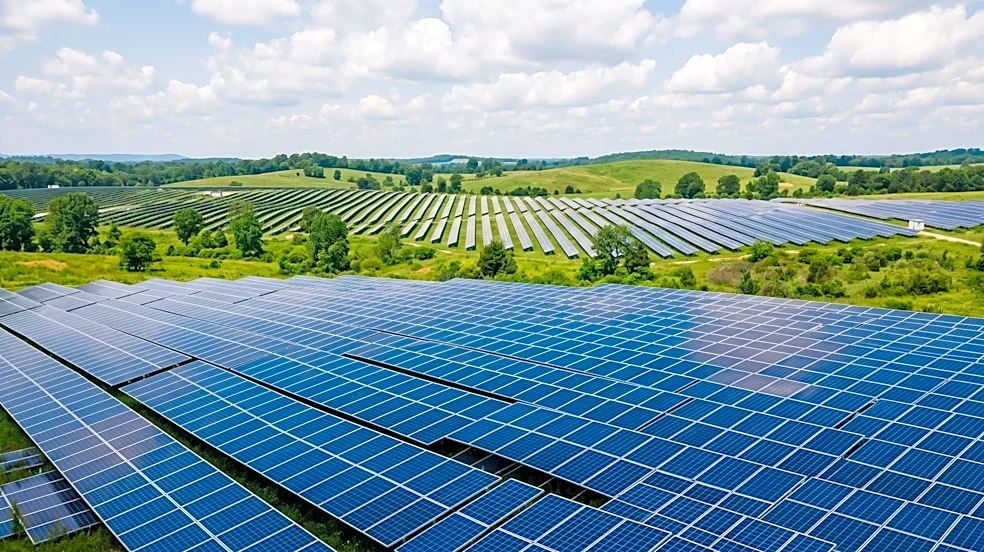
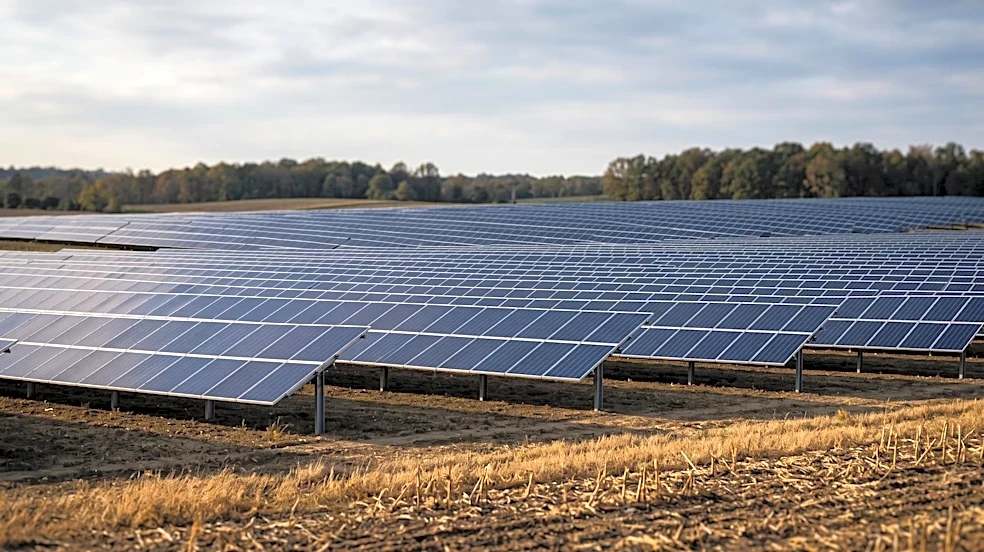
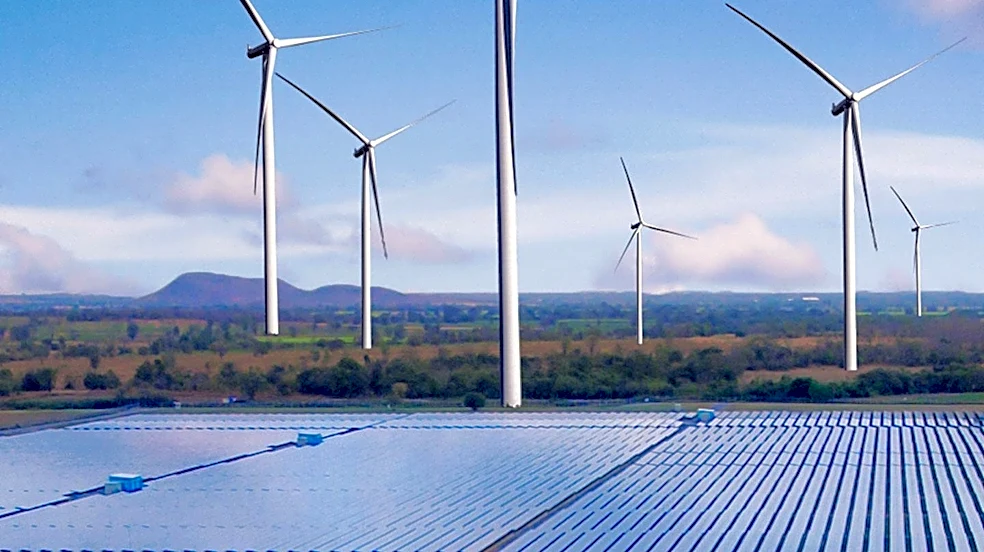
The Sussex County Council in Delaware is scheduled to consider plans for four new solar fields on Tuesday. These proposed projects, located in Seaford, Laurel, and Delmar, would collectively span nearly 170 acres of farmland, an area equivalent to over
100 football fields. If approved, these solar installations would have the capacity to generate 11 megawatts of electricity, sufficient to power approximately 9,000 homes. Delaware Governor Matt Meyer has actively promoted solar development as a strategy to increase power generation within the state, which has a high energy demand. Earlier this year, Governor Meyer expedited permits for several solar projects and signed legislation guaranteeing power bill discounts for participants in community solar initiatives. However, some local residents have expressed concerns that these large-scale solar arrays are consuming excessive amounts of agricultural land and could potentially harm local ecosystems. Despite these concerns, the county’s Planning and Zoning Commission has recommended approval for all four proposals. The public hearings for these solar projects are set to begin at 1:30 p.m. at the Sussex County Administrative Office Building in Georgetown.
Why It's Important?
This development highlights the ongoing tension between renewable energy expansion and land use, particularly in agricultural areas. The push for solar energy in Delaware, supported by Governor Meyer, aims to address the state's energy needs and contribute to clean energy goals. The potential to power 9,000 homes with 11 megawatts of electricity demonstrates the significant contribution these projects could make to the local energy supply and reduce reliance on fossil fuels. However, the conversion of nearly 170 acres of farmland raises critical questions about food security, agricultural livelihoods, and environmental impact. The debate in Sussex County reflects a broader national challenge where states are balancing the benefits of renewable energy with the preservation of natural landscapes and agricultural resources. The outcome of the council's decision will set a precedent for future solar development in the region and could influence how similar land-use conflicts are resolved across the U.S., impacting both the renewable energy sector and agricultural communities.
What's Next?
The Sussex County Council will hold public hearings on Tuesday at 1:30 p.m. to discuss the four solar field proposals. Following these hearings, the council will deliberate on whether to approve the projects. The decision will likely be influenced by public input, the recommendations of the Planning and Zoning Commission, and the state's broader renewable energy objectives. If approved, the projects will proceed with further development and construction, contributing to Delaware's solar energy capacity. If rejected, the developers may need to revise their plans or seek alternative locations. Regardless of the immediate outcome, this case is likely to fuel ongoing discussions about land-use policies for renewable energy projects, potentially leading to new regulations or guidelines for siting solar farms, especially concerning agricultural land. Stakeholders, including environmental groups, agricultural organizations, and renewable energy advocates, will closely monitor the council's decision and its implications for future development.
Beyond the Headlines
The Sussex County solar proposals underscore a complex ethical and environmental dilemma facing many communities across the U.S.: how to reconcile the urgent need for clean energy with the preservation of valuable agricultural land and local ecosystems. While solar energy is crucial for combating climate change and achieving energy independence, its large-scale deployment often requires significant land footprints. This situation brings to light the concept of 'green-on-green' conflict, where environmental goals (renewable energy) clash with other environmental or societal values (farmland preservation, biodiversity). The debate also touches upon the economic implications for rural communities, balancing potential revenue from solar leases against the long-term viability of farming and the character of the landscape. The outcome in Sussex County could influence public perception and policy frameworks regarding the optimal placement of renewable energy infrastructure, potentially leading to innovative solutions like agrivoltaics (combining agriculture with solar power) or increased focus on rooftop and brownfield solar installations to minimize impact on pristine lands.