





What's Happening?
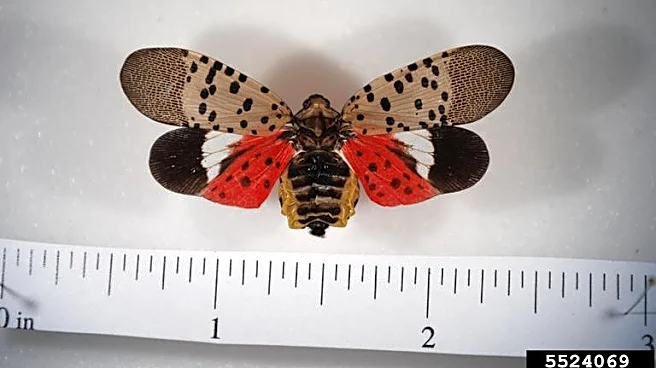
Vermont forest pest educators, including Ginger Nickerson, are urging residents to be vigilant about the spotted lanternfly, an invasive insect that poses a significant threat to trees and plants. While no established communities have been found in Vermont,
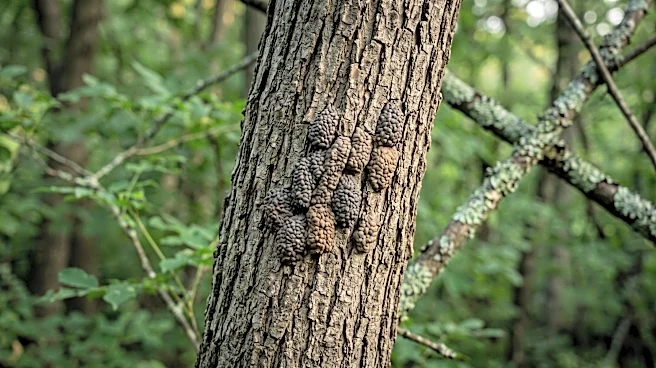
sightings have occurred, and experts warn that these pests can hitch rides on vehicles, outdoor equipment, and even out-of-state firewood. The spotted lanternfly lays egg masses that resemble dried mud, making them difficult to spot. When these insects feed, they excrete a sticky substance called honeydew, which can disrupt photosynthesis and impact yields of grapevines, berries, and roses, potentially killing grapevines and black walnut trees. This warning comes as the insects are actively laying eggs before hard frosts, emphasizing the critical need for public awareness and preventative measures.
Why It's Important?
The potential establishment of the spotted lanternfly in Vermont represents a serious ecological and economic threat. These insects can severely damage agricultural crops, particularly vineyards, and harm native tree species, disrupting local ecosystems. The spread of invasive species often leads to significant economic losses for agricultural industries and increased costs for pest management. Furthermore, the decline of specific tree species can alter forest health, impact biodiversity, and affect industries reliant on timber. The call for public vigilance highlights the critical role citizens play in early detection and prevention, as human activity is the primary vector for the spread of these pests. This situation underscores the fragility of local ecosystems to non-native species and the importance of proactive environmental stewardship.
What's Next?
Vermont officials are relying on public cooperation to monitor and prevent the spread of the spotted lanternfly. Residents are encouraged to carefully inspect vehicles and outdoor items traveling from infested states, avoid bringing out-of-state firewood, and report any sightings to VTInvasives.org. They are also advised to squish any sighted bugs or scrape off egg masses. Continued educational campaigns will likely be implemented to raise awareness about identification and prevention methods. The state will also continue to monitor for established populations and develop response plans should the pest become more widespread. The success of these efforts hinges on sustained public engagement and adherence to preventative guidelines to protect Vermont's natural resources.
Beyond the Headlines
The threat of the spotted lanternfly in Vermont is part of a larger national issue concerning invasive species and their impact on ecosystems. This situation highlights the interconnectedness of human travel and ecological health, demonstrating how seemingly innocuous actions, like transporting firewood, can have far-reaching environmental consequences. It also brings to the forefront the concept of 'citizen science,' where public participation in reporting sightings becomes a crucial component of environmental monitoring and protection strategies. Beyond the immediate ecological damage, the presence of such pests can lead to long-term shifts in forest composition and agricultural practices, potentially altering the landscape and economy of affected regions. This ongoing battle against invasive species underscores the need for continuous research, adaptive management strategies, and robust public education to safeguard biodiversity and natural resources.