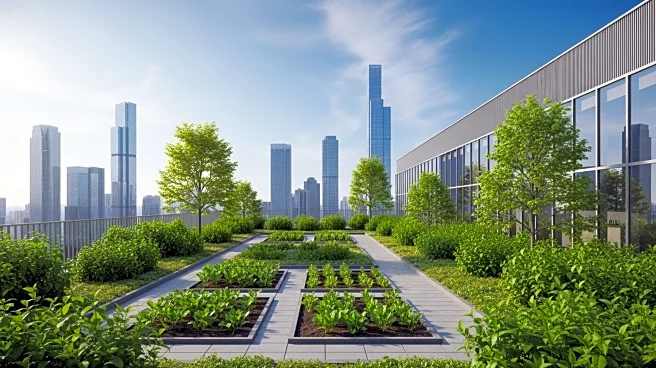




What's Happening?
The Mayor’s Office of Urban Agriculture (MOUA) in New York City has made significant strides since its establishment in 2022. Created under Local Law 121 and Local Law 123, the office was tasked with integrating urban agriculture into city policy, focusing
on climate action, environmental justice, and food access. Despite limited funding and staffing, MOUA has developed educational programs, facilitated small farmers' access to city markets, and mapped the urban agriculture landscape. The office aims to transform how New Yorkers grow, buy, and think about food, leveraging urban agriculture for broader economic and environmental benefits.
Why It's Important?
The initiatives by MOUA are crucial for promoting sustainable urban living and addressing food insecurity in New York City. By supporting local farmers and integrating urban agriculture into city planning, the office is fostering economic resilience and environmental sustainability. These efforts not only enhance food access for the city's eight million residents but also contribute to climate action by reducing the carbon footprint associated with food transportation. The office's work exemplifies how urban agriculture can be a powerful tool for social and environmental change, potentially serving as a model for other cities.
What's Next?
Looking ahead, MOUA plans to continue expanding its programs and influence. The office is expected to push for further procurement reforms to increase local food sourcing by city institutions. Additionally, the establishment of an Urban Agriculture Advisory Board could enhance collaboration with experts and advocates, further strengthening the city's urban agriculture policies. Continued support and investment from the city government will be crucial for sustaining and expanding these initiatives.
Beyond the Headlines
The work of MOUA highlights the potential of urban agriculture to address broader societal issues such as climate change and economic inequality. By integrating agriculture into urban settings, cities can reduce their environmental impact and create new economic opportunities. This approach also encourages community engagement and education, fostering a more informed and resilient population. As urban areas continue to grow, the lessons learned from New York's experience could inform global strategies for sustainable urban development.