


What's Happening?
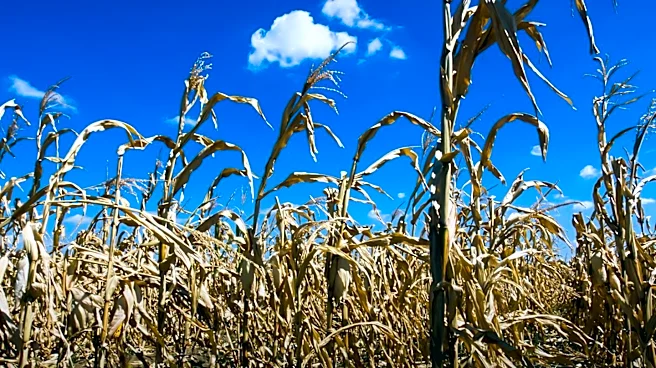
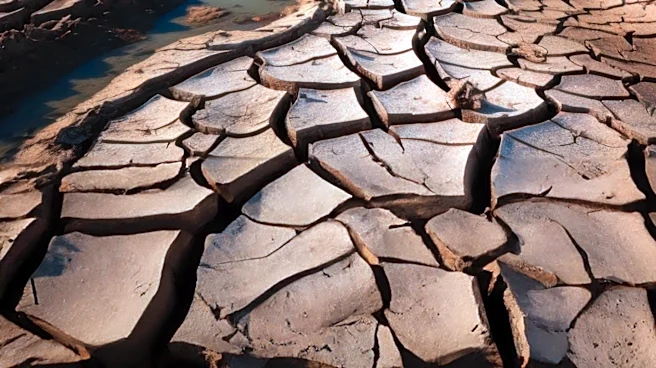
The rapidly developing El Niño weather system is projected to push approximately 50 million people into acute hunger by the end of next year. This development adds to the existing crisis where hundreds of millions are already facing severe hunger due
to prolonged droughts in Africa and rising food prices influenced by geopolitical tensions. The UN's World Food Programme (WFP) has highlighted that even a less severe El Niño could exacerbate food insecurity, affecting regions like Central and South America, the Caribbean, and southern Africa the most. The current El Niño is anticipated to be the strongest in 70 years, with significant impacts on global food prices and agricultural productivity.
Why It's Important?
The potential impact of El Niño on global food security is profound, as it threatens to worsen the already critical levels of hunger in vulnerable regions. The anticipated increase in food insecurity could lead to socio-economic instability, as affected countries struggle to cope with the additional burden. The situation underscores the urgent need for international cooperation and effective early warning systems to mitigate the effects of extreme weather events. The WFP's efforts to implement anticipatory relief measures highlight the importance of preparedness in addressing climate-induced food crises.
What's Next?
The WFP plans to deploy early warning systems and anticipatory relief efforts, with a budget of at least $80 million, to mitigate the impact of the extreme weather. However, the effectiveness of these measures may be limited by funding constraints and data collection challenges. The main growing season in southern Africa, from October to March, will be critical in determining the extent of the food crisis. The international community's response, including financial support and policy interventions, will be crucial in addressing the looming threat of widespread hunger.