



What's Happening?
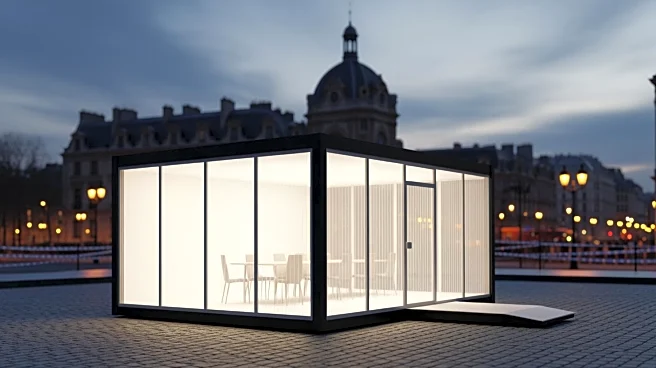
As Men's Fashion Week approaches, Paris is witnessing a surge in pop-up stores, a trend that has drawn criticism from city officials. The City of Paris is concerned about the 'Airbnb-isation' of commercial leases, where temporary retail spaces are rented
out for short periods, often leading to increased rents. Nicolas Bonnet Oulaldj, the deputy mayor of Paris for commerce, has highlighted that this trend is not conducive to young designers establishing themselves, as large groups like H&M and Shein dominate the scene. The city is taking steps to combat this by using its property company, Paris Commerce, to pre-empt premises and ensure they are used for permanent local businesses. Despite these efforts, rental agencies report that the market for temporary retail spaces remains strong, with no significant disruption from the city's actions.
Why It's Important?
The regulation of pop-up stores in Paris is significant as it addresses the broader issue of urban commercial space management. The proliferation of temporary retail spaces can lead to higher rents, making it difficult for permanent local businesses to survive. This trend can also disrupt the commercial balance and affect the quality of life for residents. By regulating these spaces, Paris aims to preserve the character of neighborhoods like the Marais, ensuring they remain vibrant and accessible to independent businesses. The city's approach could serve as a model for other urban areas facing similar challenges, highlighting the need for clear rules and transparency in commercial leasing practices.
What's Next?
The City of Paris plans to continue and expand its pre-emption strategy, working with local arrondissements to better regulate temporary retail spaces. This includes establishing clear rules for leases and rental conditions, ensuring pop-ups integrate into neighborhood strategies, and preventing excessive rents that exclude independent businesses. The city aims to maintain the Marais as a living neighborhood rather than a commercial backdrop. The ongoing dialogue between city officials and rental agencies will be crucial in finding a balance that supports both temporary and permanent retail spaces.
Beyond the Headlines
The regulation of pop-up stores in Paris touches on deeper issues of urban planning and the role of public policy in shaping city landscapes. The city's proactive approach reflects a commitment to preserving local culture and supporting small businesses, which are often overshadowed by larger corporate entities. This initiative also raises questions about the sustainability of current retail trends and the impact of globalization on local economies. As cities worldwide grapple with similar challenges, Paris's efforts could inspire new strategies for managing urban commercial spaces in a way that benefits both residents and businesses.