






What's Happening?
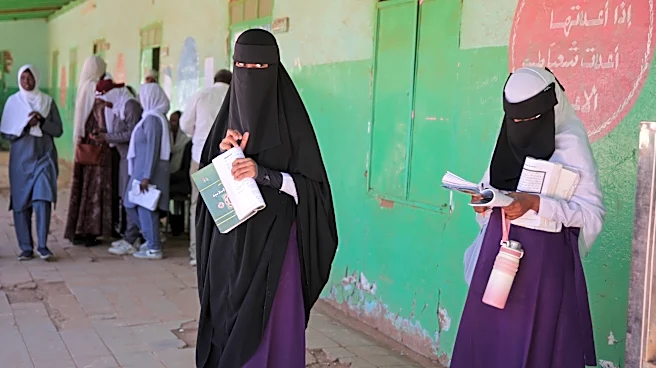
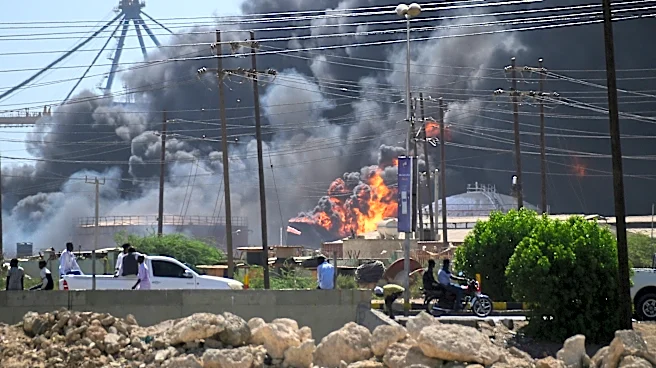
Sudan is currently experiencing the world's largest humanitarian crisis, with 13 million people displaced and millions trapped in a cycle of hunger due to ongoing conflict between the Sudanese Armed Forces and the Rapid Support Forces. The conflict, which
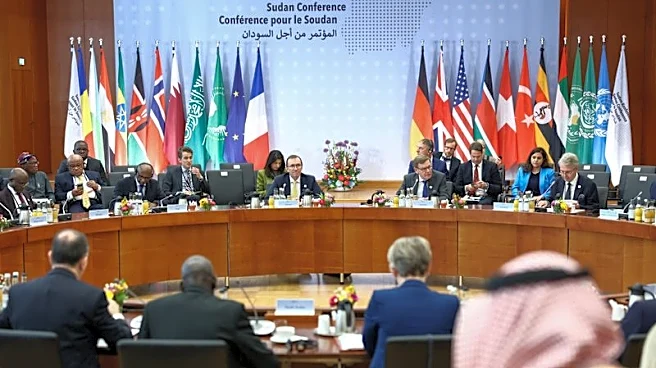
began in 2023, has devastated the country's agriculture, leaving 41% of the population acutely food insecure. Famine conditions have been confirmed in several regions, including Darfur and Kordofan. The 2026 Sudan Humanitarian and Needs Response Plan, which calls for $2.9 billion in aid, is only 16.2% funded, highlighting a significant shortfall in humanitarian assistance.
Why It's Important?
The crisis in Sudan has significant implications for global humanitarian efforts and food security. With agriculture employing two-thirds of the population, the destruction of critical infrastructure and food stocks has exacerbated the situation. The lack of funding for the 2026 response plan threatens to worsen the humanitarian crisis, potentially leading to increased displacement and further deterioration of food security. The international community's response, or lack thereof, could set a precedent for how similar crises are addressed in the future, impacting global policies on humanitarian aid and conflict resolution.
What's Next?
The immediate focus is on securing funding for the 2026 Humanitarian and Needs Response Plan to prevent further deterioration of the situation. The Food and Agriculture Organization (FAO) is scaling up its response to deliver emergency agricultural assistance, aiming to ensure farmers do not miss the critical 2026 planting season. The international community is urged to increase its support to prevent the crisis from becoming forgotten amid other global challenges. Sustained investment in agricultural recovery is essential to protect livelihoods and restore food production.
Beyond the Headlines
The crisis in Sudan highlights the complex interplay between conflict, food security, and international aid. The situation underscores the need for a coordinated global response to address the root causes of such crises, including political instability and economic pressures. The ethical responsibility of the international community to support vulnerable populations is a critical consideration, as is the potential for long-term shifts in how humanitarian aid is prioritized and delivered.