


What's Happening?
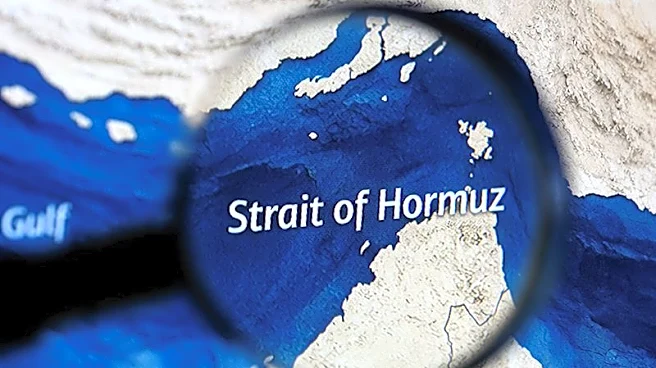
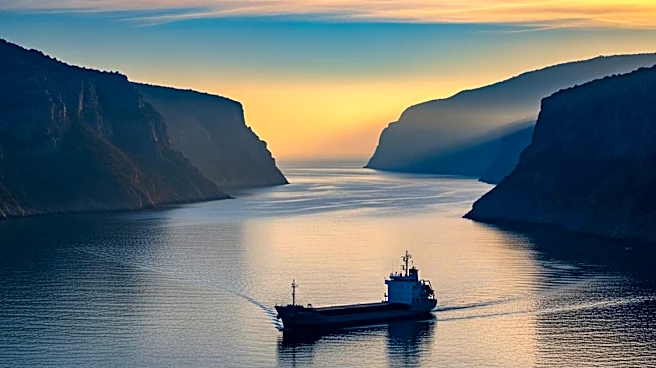
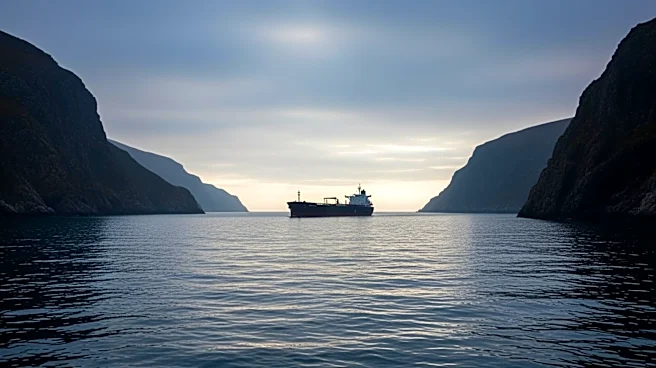
Capt. Haim Shaham, a veteran mariner, has raised concerns about Iran's attempts to extract payments from vessels passing through the Strait of Hormuz. This move could potentially reshape international shipping norms. Shaham, who has extensive experience
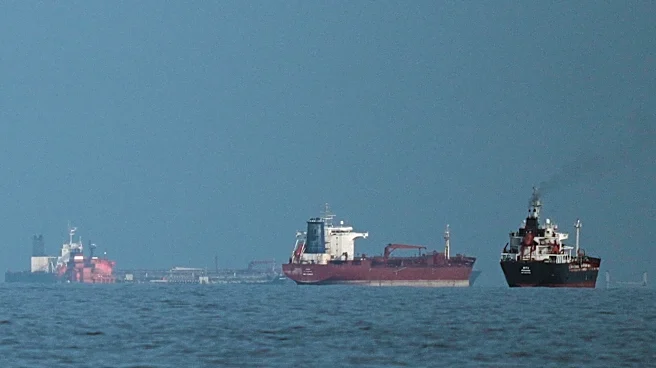
in maritime operations, highlighted that the Strait of Hormuz is an international waterway where ships traditionally pass without paying fees. He warned that if Iran's actions set a precedent, other nations might follow suit, disrupting global trade routes. The situation is further complicated by the presence of military vessels and the threat of naval mines, which increase the risks for commercial ships navigating the area.
Why It's Important?
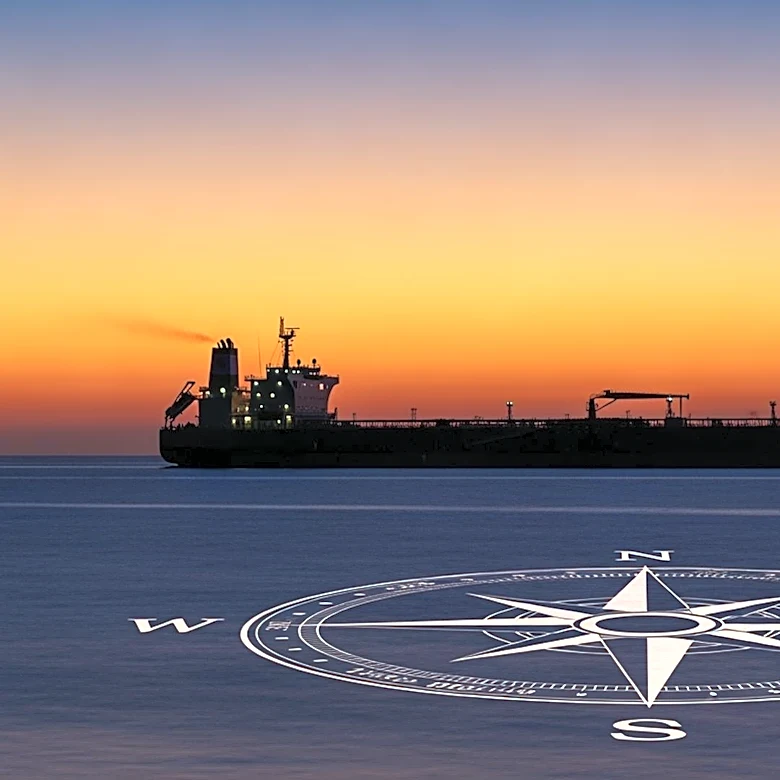
The Strait of Hormuz is a critical maritime passage for global oil transportation. Iran's actions could lead to increased shipping costs and delays, affecting global oil prices and trade. If Iran succeeds in imposing fees, it might encourage other countries to assert control over strategic chokepoints, leading to a fragmented and costly global shipping environment. This situation underscores the need for international intervention to maintain free navigation and prevent economic disruptions. The United States, as a major global power, may need to play a role in ensuring the strait remains open and free for international shipping.
What's Next?
The international community, particularly the United States, may need to engage diplomatically or militarily to ensure the Strait of Hormuz remains open for free navigation. Shipping companies might have to adjust their routes or prepare for potential delays and increased costs. The situation could also lead to increased tensions between Iran and other countries, potentially impacting broader geopolitical relations in the region.
Beyond the Headlines
The ongoing tensions in the Strait of Hormuz highlight the vulnerabilities of global trade routes to geopolitical conflicts. The situation raises questions about the balance of power in international waters and the role of international law in governing maritime navigation. It also underscores the importance of maintaining robust international agreements to prevent unilateral actions that could disrupt global trade.