


What's Happening?
Agriculture advocates in Hawaii are urging state lawmakers to provide immediate assistance to local farmers affected by recent Kona low storms. The storms have caused significant damage, with reported agricultural losses reaching $23 million, though this
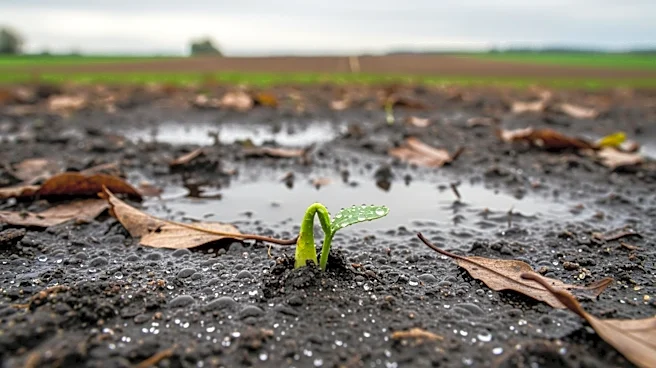
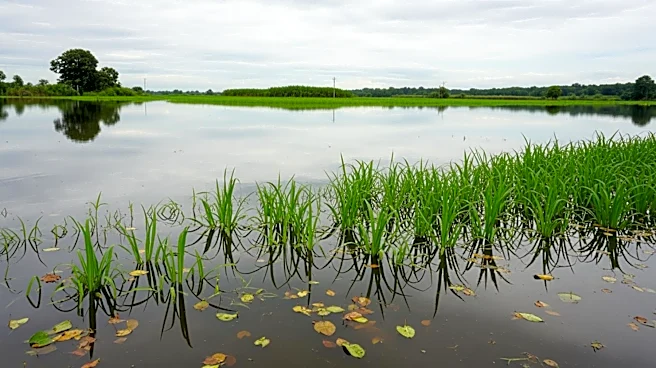
figure is likely underestimated. Many farmers are unable to access their farms to fully assess the damage. Over 1,000 farmers have applied for emergency relief funding, but only 380 have reported damages. The floods have not only destroyed crops but also damaged infrastructure and equipment, leading to concerns about future income loss. Stakeholders emphasize the need for immediate recovery grants and long-term resilience investments to support the agricultural sector.
Why It's Important?
The floods have exacerbated existing challenges faced by Hawaii's farmers, including high operational costs, pests, and insufficient government support. With only 8% of affected farmers insured, the financial impact is severe. The agricultural sector is crucial for Hawaii's economy and food security, and the loss of farms could have long-term repercussions. Immediate aid is necessary to prevent further decline in the number of farms, which has already decreased by 10% between 2017 and 2022. The situation highlights the need for better emergency planning and infrastructure investments to mitigate the effects of increasingly frequent natural disasters.
What's Next?
Stakeholders are advocating for a federal disaster declaration to unlock additional funds for affected farmers. However, the process may take time, and immediate state-level assistance is crucial. There is a call for the establishment of a 'farming rainy day fund' and improved agricultural emergency planning to better prepare for future disasters. The response from lawmakers and the speed of aid distribution will be critical in determining the recovery trajectory for Hawaii's agricultural sector.