







What's Happening?
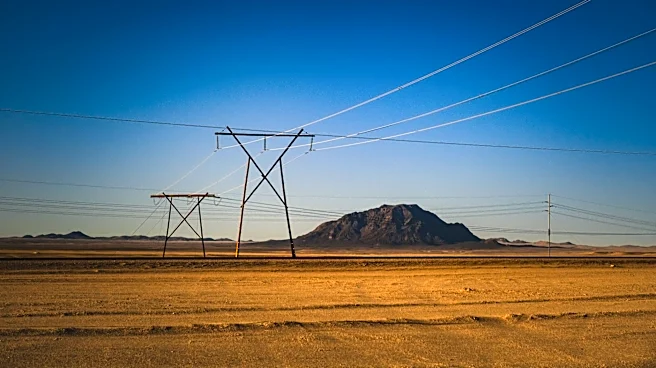
NextEra Energy Transmission MidAtlantic plans to construct a 107-mile transmission line, the Mid-Atlantic Resiliency Link (MARL), from Pennsylvania to Virginia, which threatens nearly 60 acres of protected wildlands in Western Maryland. The Maryland General
Assembly previously repealed protections for these areas to facilitate the project, marking a first in the wildland program's history. The project aims to meet rising energy demands, partly due to data centers, and enhance Maryland's capacity for renewable energy. However, the Maryland Public Service Commission has yet to approve the project, with a decision expected by late 2027 or early 2028.
Why It's Important?
The MARL project represents a significant conflict between energy infrastructure development and environmental conservation. While the transmission line could improve energy reliability and support renewable energy integration, it poses a threat to Maryland's wildlands, which are crucial for biodiversity and environmental health. The decision by the Public Service Commission will have lasting implications for how Maryland balances its energy needs with environmental preservation. The outcome could set a precedent for future infrastructure projects in protected areas.
What's Next?
The Maryland Public Service Commission's decision will be pivotal in determining the project's future. If approved, NextEra will proceed with construction, potentially impacting the wildlands. Environmental groups may continue to advocate for alternative routes or additional mitigation measures. The project also requires approval from energy regulators in Pennsylvania, Virginia, and West Virginia, which could influence the timeline and scope of the MARL project.