





What's Happening?
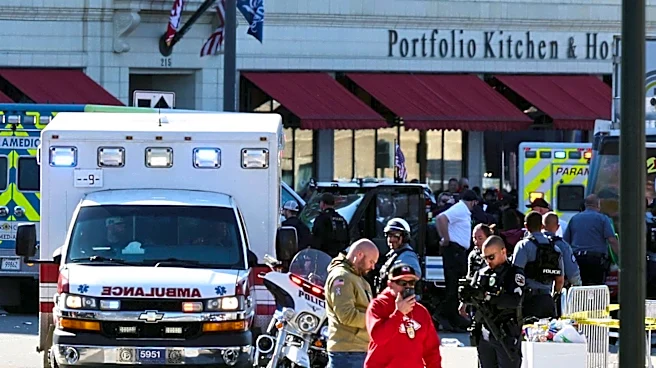
The 4th Judicial District Attorney’s Office has ruled as justified the deadly shooting of Benjamin Greenfield by Colorado Springs police officers. The incident occurred on April 4, when officers attempted to apprehend Greenfield, a suspected drug dealer,
at a McDonald's. Greenfield, 40, was in his truck and did not comply with repeated commands to exit the vehicle from six officers on the scene. Officers attempted to deploy pepperballs into the truck after throwing rocks through the windows. Before the less-lethal device could be deployed, Greenfield discharged a firearm at least once from inside his truck, prompting three officers—Daniel White, Mitchell Mueller, and Michael Dauchy—to fire a combined total of 39 rounds from their 9mm handguns. Greenfield was struck approximately 10 times and later died at a local hospital. An autopsy revealed amphetamine and methamphetamine in his system. The ruling considered the officers' use of force justified given the threat posed by Greenfield and his history with law enforcement, including a previous incident where he allegedly set fires to a home while attempting to evade the FBI and Colorado Springs police.
Why It's Important?
This ruling underscores the legal framework and challenges faced by law enforcement officers in high-stakes situations involving armed suspects. The justification of the officers' actions by the District Attorney's Office highlights the legal protections afforded to officers when they perceive a direct threat to their lives or the lives of others. This decision can influence public perception and policy discussions regarding police use of force, particularly in scenarios involving vehicle pursuits and non-compliance. For law enforcement agencies, it reinforces existing protocols for engaging with dangerous individuals and the importance of less-lethal options, even if not always available. Conversely, it may fuel ongoing debates among civil rights advocates about police accountability and the escalation of force, especially when suspects are under the influence of substances or have a history of non-compliance. The incident also brings attention to the prevalence of drug use in criminal activities and its potential impact on suspect behavior during police encounters.
What's Next?
Following the District Attorney's ruling, officers Daniel White, Mitchell Mueller, and Michael Dauchy will not face criminal charges related to the deadly use of force. This decision concludes the criminal investigation into the officers' actions. However, internal reviews by the Colorado Springs Police Department may still occur to assess adherence to departmental policies and procedures. The incident could also lead to further discussions within the community and among policymakers regarding police training, de-escalation tactics, and the availability of less-lethal weapons. Civil litigation from Greenfield's family remains a possibility, which could bring additional scrutiny to the details of the encounter. The case may also be cited in future legal and policy debates concerning the appropriate response to armed and non-compliant suspects, particularly those with a history of evading law enforcement.
Beyond the Headlines
The incident highlights the complex and often dangerous nature of police work, where officers must make split-second decisions under extreme pressure. The presence of amphetamine and methamphetamine in Greenfield's system raises questions about the role of substance abuse in escalating confrontations with law enforcement and the broader societal impact of drug use. The officers' attempt to use less-lethal options, such as pepperballs, before resorting to deadly force, illustrates the procedural steps often taken, even if ultimately unsuccessful. This case also touches upon the ongoing national conversation about police accountability and the use of body camera footage, which was mentioned as having been previously released. The justification of the shooting, while legally sound, may not fully resolve public concerns about the circumstances leading to such fatal encounters, particularly in the context of a suspected drug dealer who was initially attempting to flee rather than directly engaging officers until the final moments.