




What's Happening?
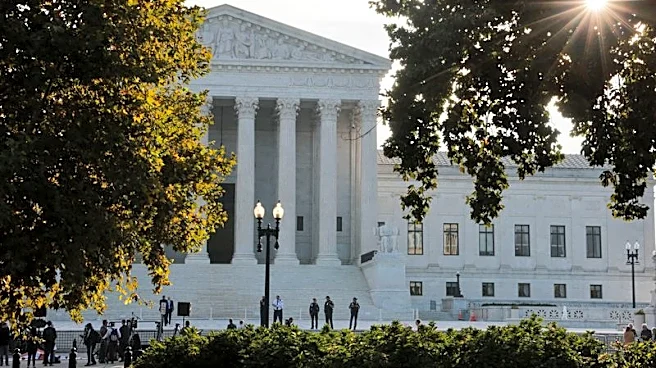
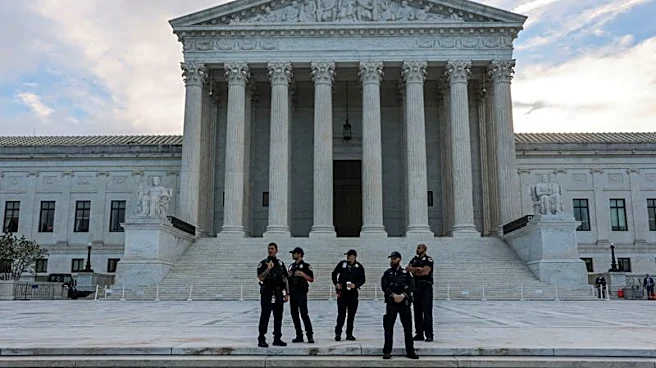
The U.S. Supreme Court is currently examining a case concerning the U.S. Air Force's disposal of waste munitions on Guam's beaches. The core issue revolves around whether the Air Force must comply with the National Environmental Policy Act (NEPA) when
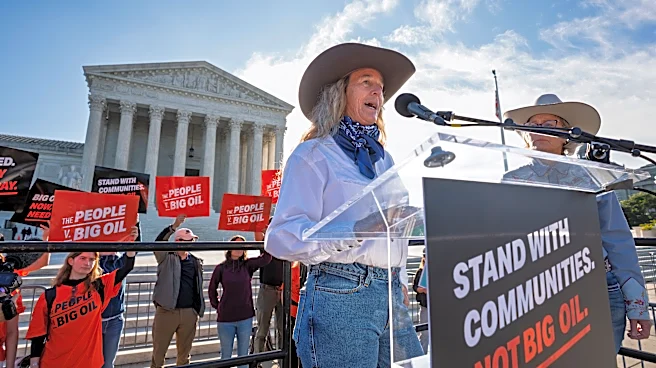
applying to renew permits for hazardous waste disposal, specifically at Andersen Air Force Base. For nearly four decades, the Guam Environmental Protection Agency (EPA) approved these permits, but in 2021, it delayed the Air Force's renewal application due to public comments. A local Guam nonprofit, Prutehi Guåhan, subsequently sued the Air Force, alleging a failure to submit environmental impact statements and assessments as required by NEPA. The group argues that exposure to hazardous materials from munitions disposal, such as black powder, phosphorus, and tear gas, threatens local reefs, ecosystems, and the island's main aquifer. The Air Force contends that its permit application is not a final decision subject to challenge and that its disposal activities are governed by the Resource Conservation and Recovery Act (RCRA), not NEPA. However, several justices, including Justice Sonia Sotomayor, expressed skepticism about the Air Force's position, noting that Congress typically specifies when NEPA obligations are waived, which has not occurred in this context.
Why It's Important?
This case holds significant implications for environmental protection, federal agency accountability, and the unique territorial status of Guam. For Guam residents, who lack voting representation in Congress and do not vote for the president, NEPA serves as a crucial mechanism for influencing federal projects that impact their environment. The outcome will determine the extent to which federal environmental laws apply to U.S. territories and could set a precedent for how federal agencies manage hazardous waste disposal in other non-state jurisdictions. A ruling in favor of Prutehi Guåhan could strengthen environmental oversight for military operations and other federal projects in territories, potentially leading to more rigorous environmental impact assessments. Conversely, a ruling favoring the Air Force could limit the ability of local communities in U.S. territories to challenge federal actions impacting their environment, raising concerns about environmental justice and self-determination. The Supreme Court's interpretation of the interplay between NEPA and RCRA will also clarify the scope of environmental regulations for hazardous waste management nationwide.
What's Next?
A decision in this case is anticipated sometime next year. The Supreme Court's ruling will clarify the procedural requirements for federal agencies operating in U.S. territories regarding environmental impact assessments. If the Court sides with Prutehi Guåhan, the Air Force may be compelled to conduct comprehensive environmental impact statements for its waste disposal activities in Guam, potentially leading to changes in its operational practices. This could also empower other communities in U.S. territories to demand similar environmental reviews for federal projects. Conversely, if the Court rules in favor of the Air Force, it could limit the avenues for environmental groups and local communities to challenge federal actions, potentially leading to increased environmental concerns in these areas. The decision will also likely influence future legislative efforts to clarify the application of federal environmental laws in U.S. territories.
Beyond the Headlines
Beyond the immediate legal and environmental implications, this case touches upon deeper issues of sovereignty and political equity for U.S. territories. As highlighted by Monaeka Flores, executive director of Prutehi Guåhan, Guam's status as a U.S. colony means its residents have limited political influence over federal decisions that directly affect their lives and environment. The legal battle over waste disposal underscores the ongoing struggle for greater self-determination and environmental justice in territories like Guam. The Supreme Court's decision could either reinforce existing power imbalances or provide a pathway for greater accountability and environmental protection for these communities. It also brings to light the ethical considerations of military operations and their environmental footprint in areas that lack full political representation, prompting questions about the long-term health and ecological consequences for these populations.