






What's Happening?
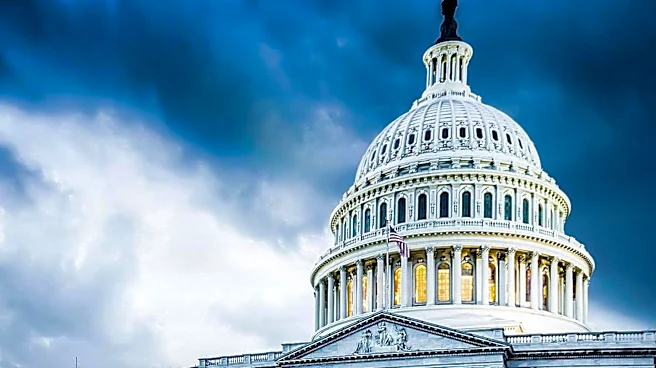
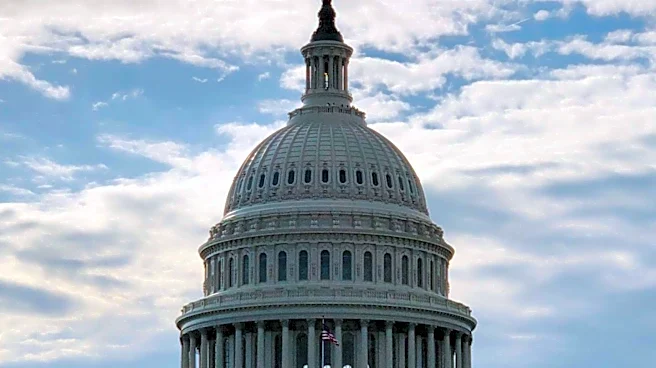
Jason Smith, Chairman of the U.S. Congress Ways and Means Committee, has stated that the committee is investigating alleged Chinese funding of pro-Palestinian and pro-communist causes, including those in the United Kingdom. This inquiry is part of a broader
investigation into foreign interference. The Telegraph reported that U.S. lawmakers are examining alleged secret Chinese backing of Code Pink, a far-Left feminist protest group, and its activities in Britain. Specifically, the investigation is looking into £250,000 in alleged payments to a UK company linked to Code Pink from firms connected to Neville Roy Singham, a tech tycoon accused of financing Chinese propaganda globally. Code Pink has organized numerous protests in the UK against Britain’s involvement in 'the genocide in Gaza' and has issued statements claiming that Britain’s leaders have been 'bought by Zionism.' A congressional source indicated awareness of China funding pro-Hamas and leftist groups in both the U.S. and UK, which is the basis for the ongoing investigation. Code Pink in the U.S. has reportedly received millions of dollars from Singham, who is under multiple inquiries regarding his network's potential dissemination of pro-China propaganda.
Why It's Important?
This investigation carries significant implications for U.S. foreign policy and national security, as it suggests a potential foreign adversary, China, is actively attempting to influence political discourse and public sentiment in allied nations like the UK, and potentially within the U.S. itself. The alleged funding of protest groups like Code Pink, which advocates for specific geopolitical stances, raises concerns about the integrity of democratic processes and the potential for covert manipulation of public opinion. If confirmed, this could lead to increased scrutiny of foreign financial flows to non-profit organizations and advocacy groups, potentially resulting in new legislation or stricter enforcement of existing laws regarding foreign agent registration. For U.S. industries, particularly those with ties to China, this could exacerbate existing tensions and lead to further decoupling efforts or trade restrictions. The involvement of a U.S. congressional committee underscores the seriousness with which these allegations are being treated, highlighting a growing concern about China's global influence operations and their potential to undermine Western interests and values.
What's Next?
The U.S. Congress Ways and Means Committee is expected to continue its investigation into the alleged Chinese funding. This may involve further examination of financial records, interviews with individuals connected to Code Pink and Neville Roy Singham, and potential collaboration with UK authorities. The findings of this investigation could lead to policy recommendations aimed at countering foreign interference in political and social movements. Depending on the evidence uncovered, there could be calls for increased transparency requirements for non-profit organizations receiving foreign funding, or even sanctions against individuals or entities found to be involved in illicit influence operations. Major stakeholders, including advocacy groups, may face heightened scrutiny regarding their funding sources. The broader geopolitical implications could include a further deterioration of U.S.-China relations and increased pressure on allied nations to address similar concerns within their borders. The outcome of this inquiry could also influence public perception of protest movements and the role of foreign money in domestic politics.
Beyond the Headlines
Beyond the immediate political and financial implications, this investigation touches upon deeper issues of sovereignty, information warfare, and the evolving nature of international relations in the digital age. The alleged use of a tech tycoon to funnel funds for propaganda suggests a sophisticated approach to influence operations, moving beyond traditional state-to-state interactions. This raises ethical questions about the responsibility of individuals and corporations in facilitating such activities. Furthermore, the focus on 'pro-Hamas and pro-communist causes' highlights the ideological battlegrounds where such influence operations are being waged. It underscores how geopolitical rivalries are increasingly playing out through proxy groups and information campaigns, blurring the lines between legitimate advocacy and foreign interference. The incident also prompts a re-evaluation of media scrutiny and public discourse, as allegations of foreign funding can quickly polarize debates and cast doubt on the authenticity of grassroots movements. This could lead to a broader societal discussion about media literacy and critical evaluation of information sources.